Master Programs – revised with academic supervision from BOKU University of Vienna
(UBT Strategy 2030)

Renewable Energy
This master’s program prepares specialists for the analysis and management of sustainable energy systems, with a focus on clean energy technologies and the use of renewable resources. It combines knowledge from engineering, natural sciences, agriculture, and environmental studies to address the challenges of the energy transition. Students develop skills in resource assessment, the implementation of efficient technologies, and the management of energy projects. The program aims to train professionals who contribute to the rational use of energy and sustainable development.
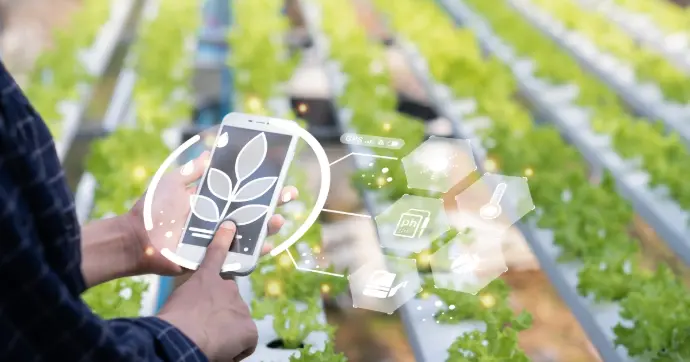
Digitalization and Automation in Agriculture
This master’s program prepares specialists who combine agricultural knowledge with digital technologies, automation, and data analysis to support more efficient decision-making. It responds to the developments of Agriculture 4.0/5.0, where the use of sensors, IoT, drones, GIS, and artificial intelligence has become essential in production and management processes. The program aims to modernize education in line with labor market needs and European policies on innovation and digitalization in agriculture. It also addresses the shortage of experts capable of integrating agriculture with technology and intelligent systems.

Landscape Planning and Architecture
The program deepens and integrates the knowledge acquired at the Bachelor level in landscape analysis, planning, design, and management. It responds to the growing need for advanced specialists in the context of rapid urbanization, territorial changes, and climate challenges. The program offers two specialization tracks, Landscape Architecture and Landscape Planning, preparing students for leadership roles and applied scientific research. It is aligned with the BOKU University–UBT 2030 reform and European standards in this field.
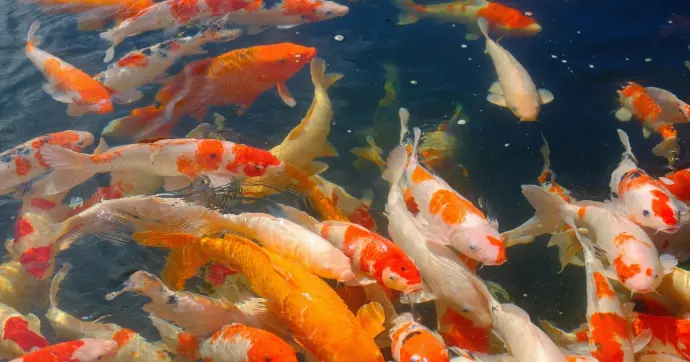
Animal Science and Aquaculture
This master’s program aims to enhance competencies in the management of livestock farms and aquaculture systems. It develops students’ abilities to understand the behavior of animals and fish under different breeding and management conditions. The program also strengthens research skills in animal science and aquaculture. It prepares professionals capable of applying modern and sustainable practices in these fields.
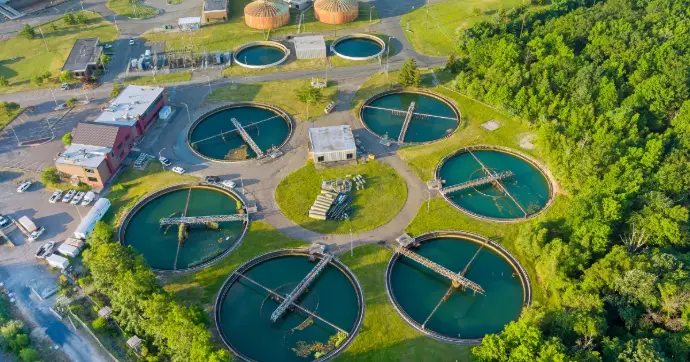
Environment Engineering and Water Management
The program prepares students to meet labor market demands in both the public and private sectors at national and international levels. It provides comprehensive knowledge in the analysis, assessment, and management of the environment, biodiversity, the water cycle, climate change, and natural resources. Students develop practical competencies in environmental management, hydrological planning, and environmental policy design, supported by laboratory work, field excursions, and professional practice. Aligned with EU standards, the program equips graduates with the skills to implement sustainable solutions for resource management, pollution control, water and waste treatment, and the use of modern technologies in environmental projects.
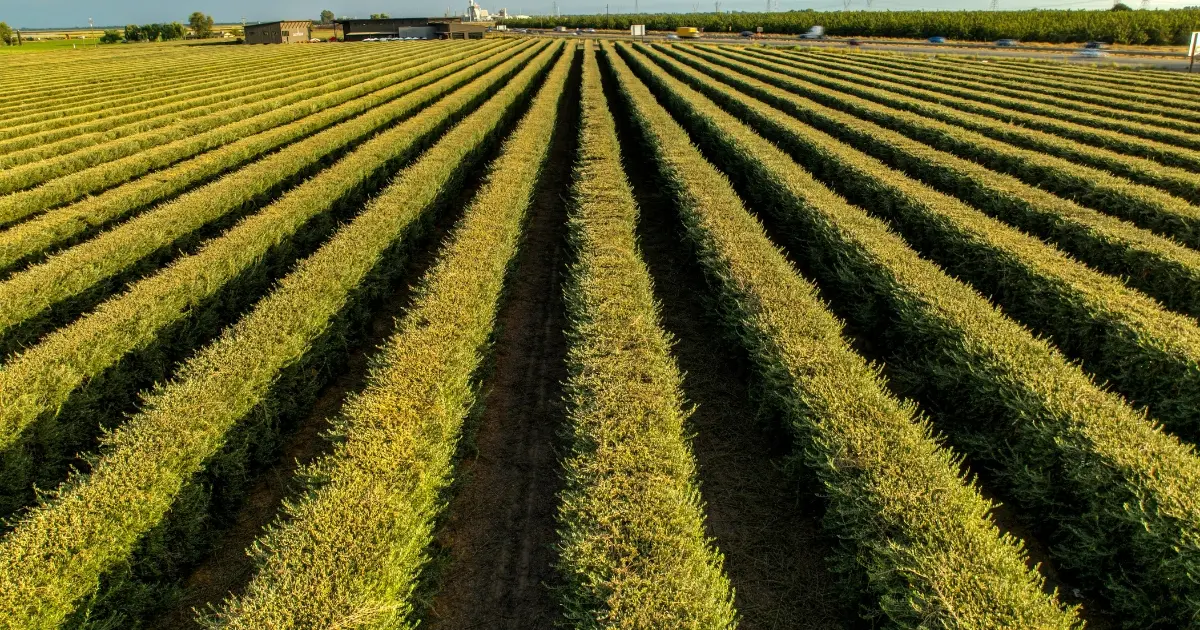
Agronomy
The Master’s program in Agronomy aims to prepare specialists with advanced knowledge in Agronomy, Horticulture, and Plant Protection, strengthening their understanding of plant functioning under different climatic conditions and biotic and abiotic stress situations. It develops advanced research competencies and analytical skills to address contemporary challenges in crop production. Graduates are trained to apply modern cultivation technologies, adapt agricultural practices to climate change and local environmental conditions, and improve food security through effective post-harvest management.

Sustainable Tourism and Rural Development
The Master’s program in Sustainable Tourism Management and Rural Development aims to train professionals with advanced theoretical and practical knowledge, capable of contributing to the sustainable development of the tourism sector and rural areas. The program provides graduates with deeper competencies compared to the Bachelor level, particularly in the field of sustainable rural tourism development.

Agricultural Economics and European Policies
The Master’s program in Agricultural Economics and European Policies offers advanced theoretical and practical training in agricultural economics, rural development, and European Union policies. Focused on the challenges of the agri-food sector and the European integration process, the program prepares specialists capable of analyzing, designing, and implementing development policies in line with EU standards. Students will gain knowledge and competencies in economic analysis, public policies, econometrics, project management and EU funds, as well as in the study of agricultural markets and value chains.
Agri-business Management
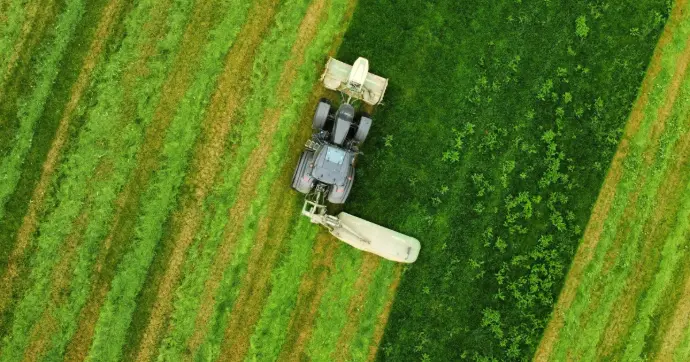
The Master of Science program in Agribusiness Management, with the specializations “Management” and “Entrepreneurship & Innovation,” combines knowledge in economics, management, and agriculture to prepare professionals for the modern agribusiness market. The program integrates theory with practice and focuses on management, innovation, sustainability, and rural development. Graduates are equipped with skills in strategic decision-making, market analysis, project management, and the development of entrepreneurial ideas.

Food Marketing and Digital Business
The Master’s program in Food Marketing and Digital Business is designed to meet the growing labor market demand for specialists in food marketing and digital business. The program provides students with advanced knowledge in marketing, business management, market analysis, and digital strategies, preparing them for the development and management of businesses in the agri-food sector. Students will gain practical and scientific competencies in the use of digital technologies, data analysis, brand development, export strategies, and the management of innovative projects for domestic and international markets.

Business Informatics
The Master’s program in Business Informatics, developed in collaboration with BOKU University, combines computer science, data analysis, and artificial intelligence to address the needs of digital transformation in the economy, agribusiness, and public administration. The program equips students with advanced competencies in programming, software engineering, business systems, data science, and AI, preparing them to develop digital solutions and support data-driven decision-making. Through the specializations “Software Development and Business Systems” and “Data Science and Artificial Intelligence in Economics,” students gain practical skills in application development, econometric analysis, machine learning, cybersecurity, data visualization, and digital innovation for modern markets and businesses.

Finance and Accounting
The Master’s program in Finance and Accounting offers two specialized career tracks, Finance-Banking and Accounting-Auditing, responding to the developments of the Albanian economy and the European integration process. The program combines theoretical knowledge with contemporary practices through the use of specialized software, modern financial analysis, and reporting according to international standards, while also including advanced research components culminating in a Master’s thesis. Students will gain competencies in financial analysis and management, auditing, economic planning, rural finance, and the design of development policies for the private sector, public institutions, and agribusiness, in line with the interdisciplinary reform model of BOKU University.

Circular Economy
The Master’s program in Circular Economy offers advanced training in sustainable economy, efficient resource management, and the green transition, addressing the challenges of Albania’s economic development and European integration. The program combines theoretical knowledge with practical analysis of environmental public policies, green finance, modern data analysis methods, and the development of sustainable strategies, in line with European practices and initiatives such as the Green Deal and the Circular Economy Action Plan. Students will gain competencies in value chain analysis, circular models, the formulation of policies and strategic recommendations, as well as research and practical skills for developing projects that support the green economy and sustainable development.
Quality and Standards Management in Agro-Food Systems
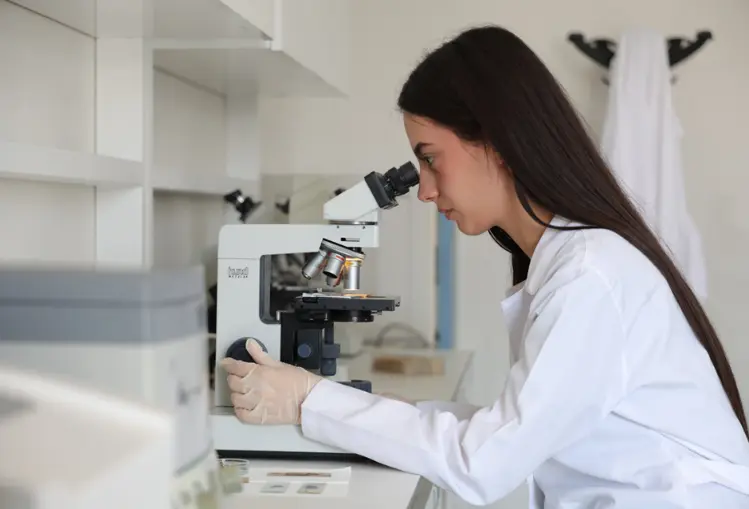
The Master's program in Quality and Standards Management in Agro-Food Systems prepares professionals specialized in quality management, food safety, and European Union standards in the agro-food sector. The program integrates auditing, certification, food safety systems, and data analysis, responding to market demands and the need to enhance the competitiveness and export of Albanian products. Students will gain practical competencies in the implementation of standards such as ISO, HACCP, and GLOBAL G.A.P., risk management, traceability, quality control, and auditing and certification processes in collaboration with businesses and regulatory institutions.

Food Engineering
The Master's in Food Engineering offers advanced training in food technology, science, and innovation, preparing professionals for the modern food and beverage industry at both national and international levels. The program combines theoretical knowledge with practical skills in food processing, product development, fermentation, biotechnology, food safety, and sustainable production, with a special focus on scientific research and industrial applications. Students will gain competencies in optimizing production processes, developing innovative products, risk management, and utilizing laboratory methods and modern technologies, equipping them to build a strong and competitive career in the food sector.

Nutrition Science
The Master's in Nutrition Science prepares skilled specialists to respond to the growing needs in the field of nutrition and public health, providing advanced knowledge about the role of nutrition in human health. The program develops practical and scientific skills in assessing nutritional status, designing dietary plans, and analyzing clinical, dietary, and epidemiological data for various populations and health conditions. Students will gain competencies in scientific research, analysis of food systems, and the development of public health policies and programs related to nutrition and sustainability.

Design and Wood Technology
The Master's in Wood Design and Technology offers an academic and professional continuity for graduates of "Wood Engineering and Interior Design," enabling advanced specialization in this field. The program integrates wood technology, materials science, and design, developing interdisciplinary competencies and innovative skills necessary for modern wood-based industries and for the application of sustainable technologies and advanced manufacturing processes. Students will gain advanced knowledge of wood engineering materials and products, the design of wooden structures, and the development of interior design, using modeling software and modern visual tools for conceptualization, analysis, and professional presentation of projects.

Forest Ecosystem Management
The Master's in Forest Ecosystem Management offers academic and professional continuity, developing interdisciplinary competencies and innovative skills in the sustainable management of forests. The program prepares specialists capable of inventorying, monitoring, and utilizing modern technological methods in the administration and protection of forest ecosystems. Students will gain competencies in assessing and managing forest exploitation, road infrastructure, and technical projects such as cable cars, while recommending sustainable solutions for the future development of the sector.

Veterinary Medicine
The Master's in Veterinary Medicine is designed to support the alignment of Albania with the standards of the European Union and the competencies of the European Association of Establishments for Veterinary Education, strengthening professional capacities in veterinary services, surveillance, food safety, and veterinary public health. The program focuses on European priorities such as antimicrobial resistance (AMR), biosecurity, animal welfare, and the "One Health" framework, preparing specialists capable of immediate professional implementation. Students will gain competencies in disease diagnosis and control, epidemiology, laboratory diagnostics, official controls, risk assessment, and professional communication with farmers, institutions, and other sector stakeholders.