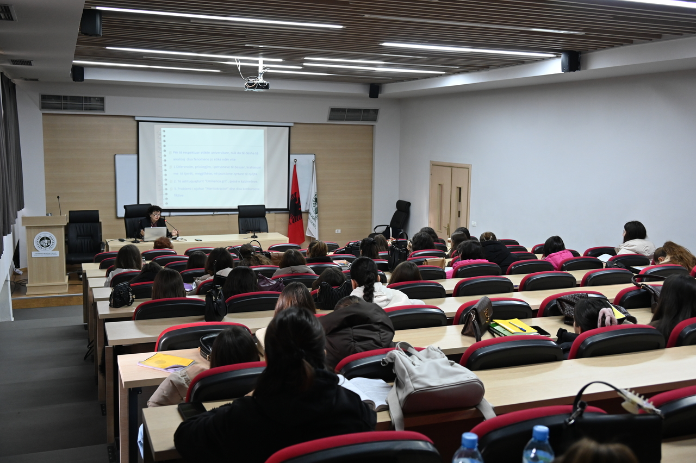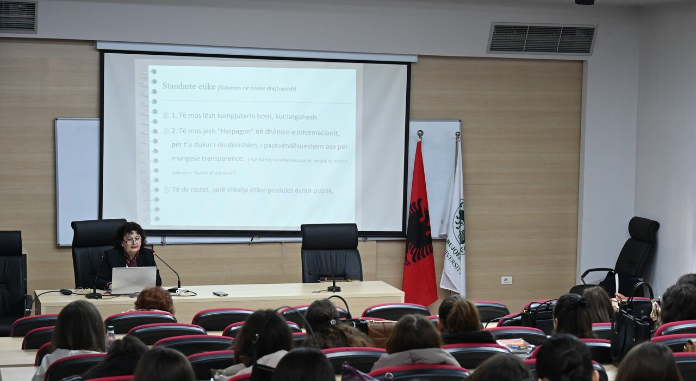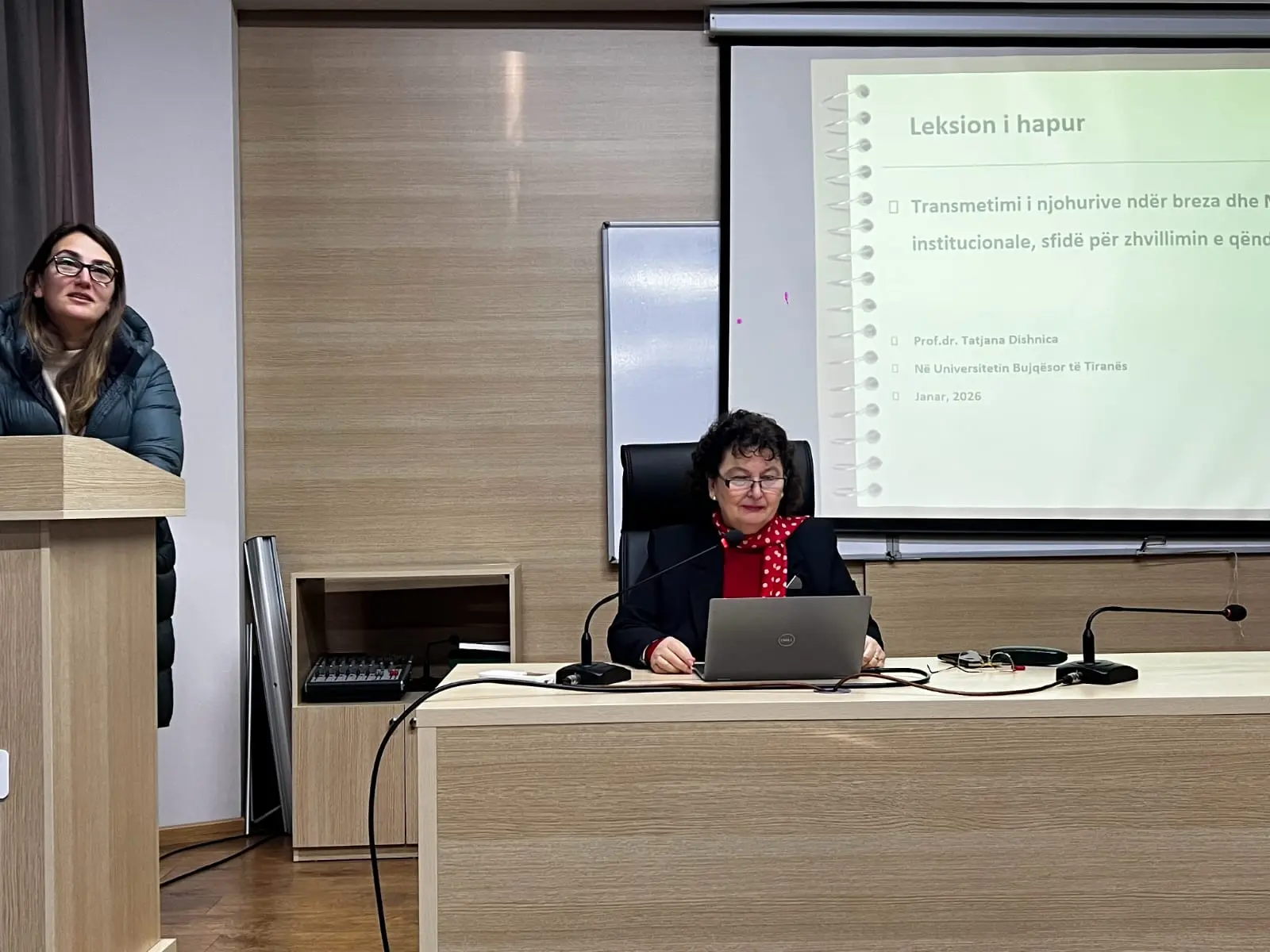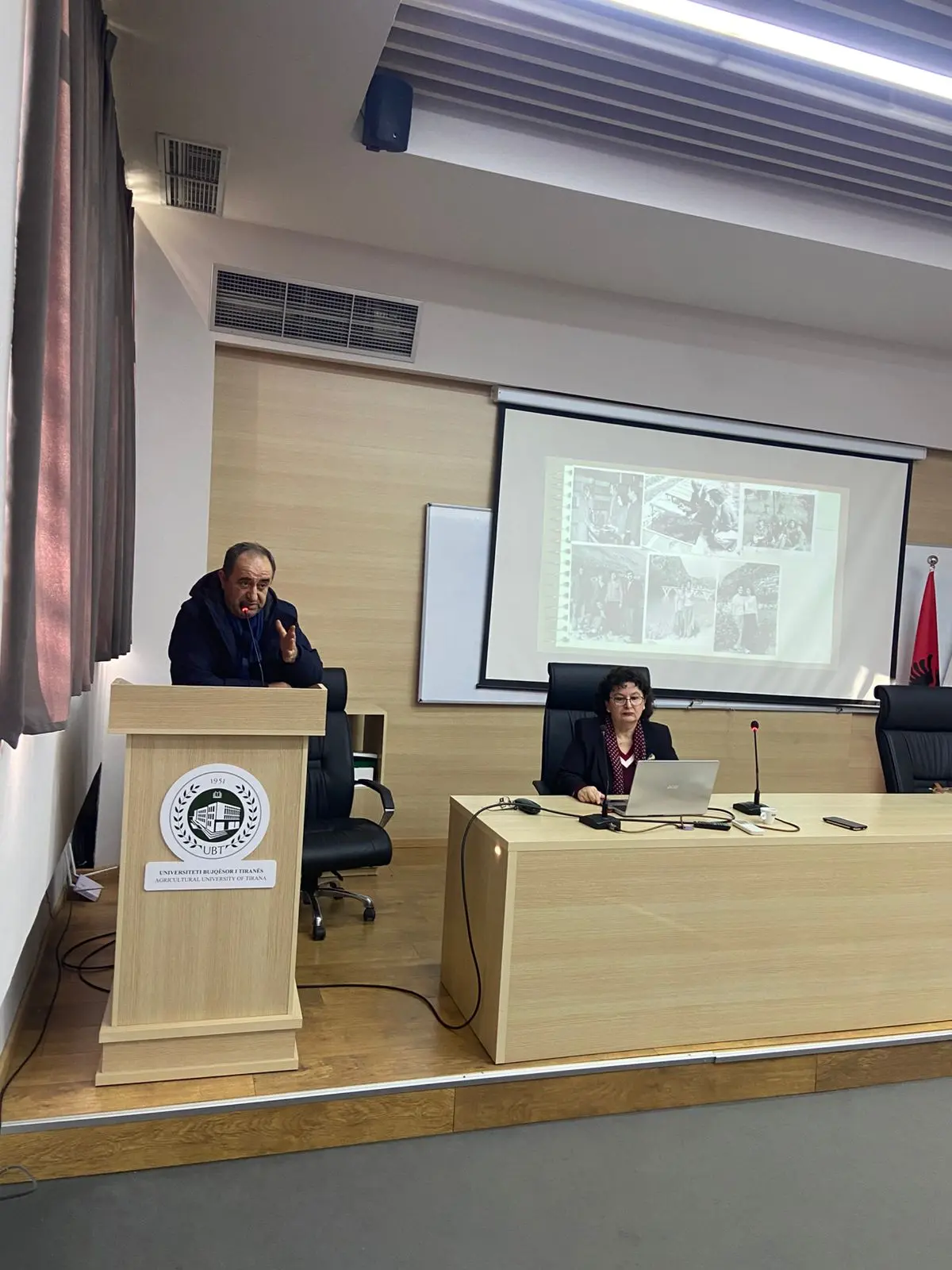
The Agricultural University of Tirana held a two-day lecture on the intergenerational transmission of knowledge and the role of institutional memory as one of the key challenges for sustainable development, delivered by Prof. Dr. Tatjana Dishnica, with the participation of academic staff, researchers, and students.
The lecture addressed the importance of knowledge management in public administration and academic institutions.
Special attention was given to the concept of the “knowledge vacuum,” which arises as a result of mass retirements and the lack of mechanisms to preserve and transfer accumulated experience. It was also emphasized that this process generates hidden costs for institutions, negatively affecting institutional continuity, the quality of decision-making, and the effectiveness of research and administrative processes.
In this context, Prof. Dr. Dishnica highlighted the importance of institutional memory as a strategic asset that helps prevent institutional amnesia, reduces dependence on individuals, and avoids the repetition of mistakes, thereby ensuring organizational continuity and sustainability.
During the lecture, the phenomenon of institutional erosion was also addressed, compared to the loss of soil fertility in agronomy, where valuable experience is lost without being structured and documented, leaving the system weak and inefficient.
The lecture concluded by highlighting the benefits of intergenerational knowledge transfer, including the preservation of institutional knowledge, the stimulation of innovation, improved employee engagement, and the strengthening of organizational sustainability, in line with contemporary practices in institutional management and development.