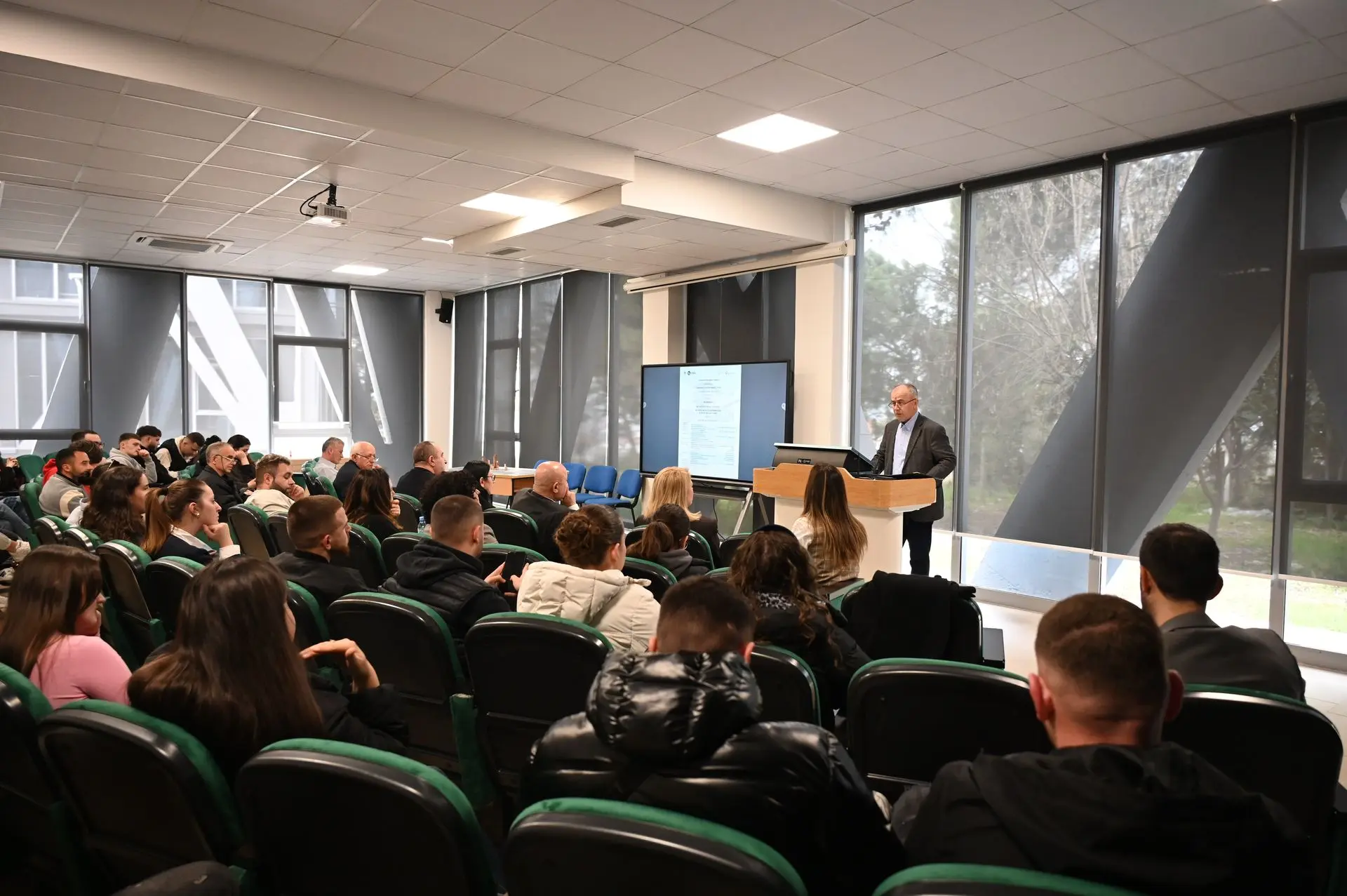
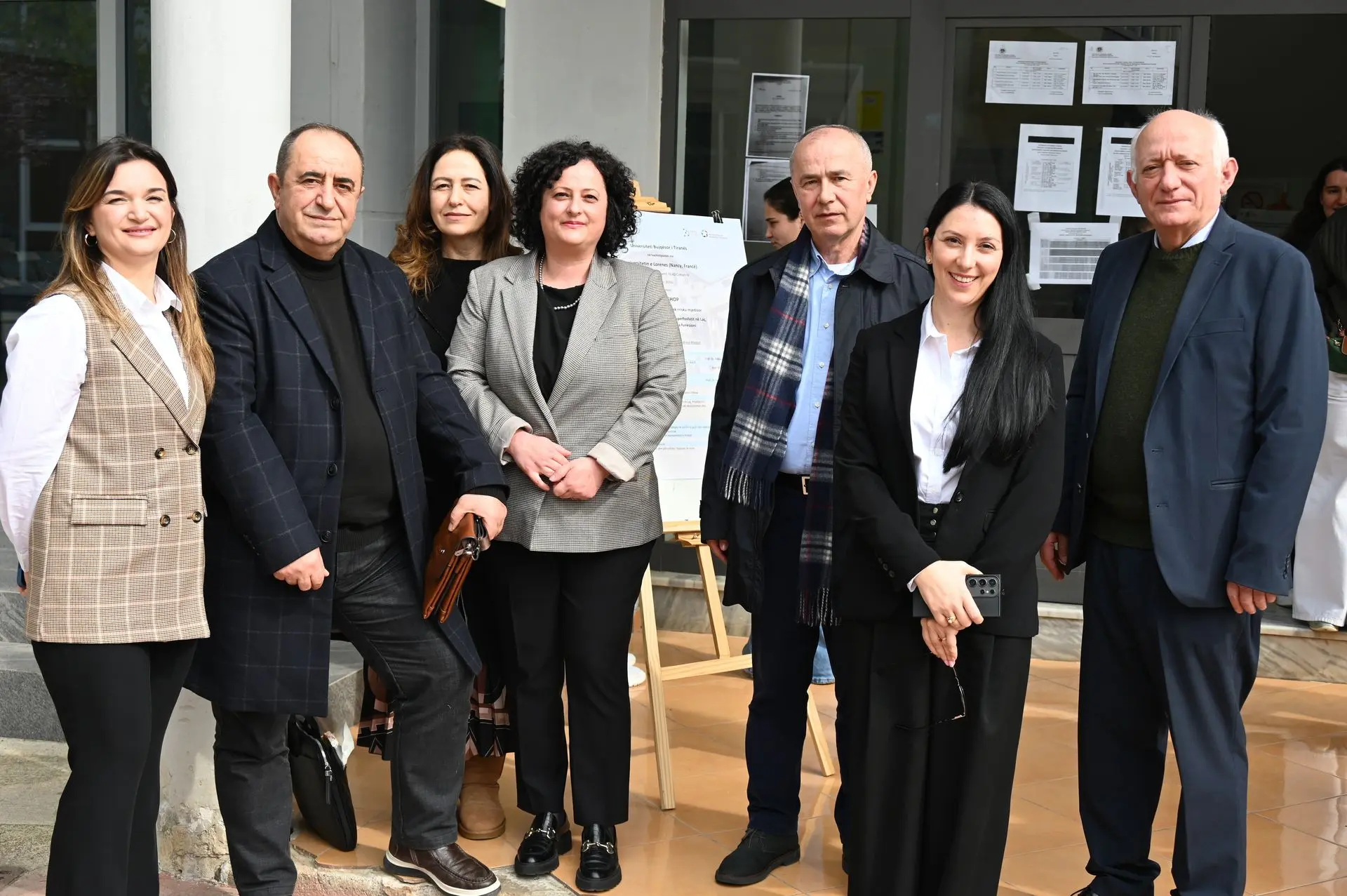
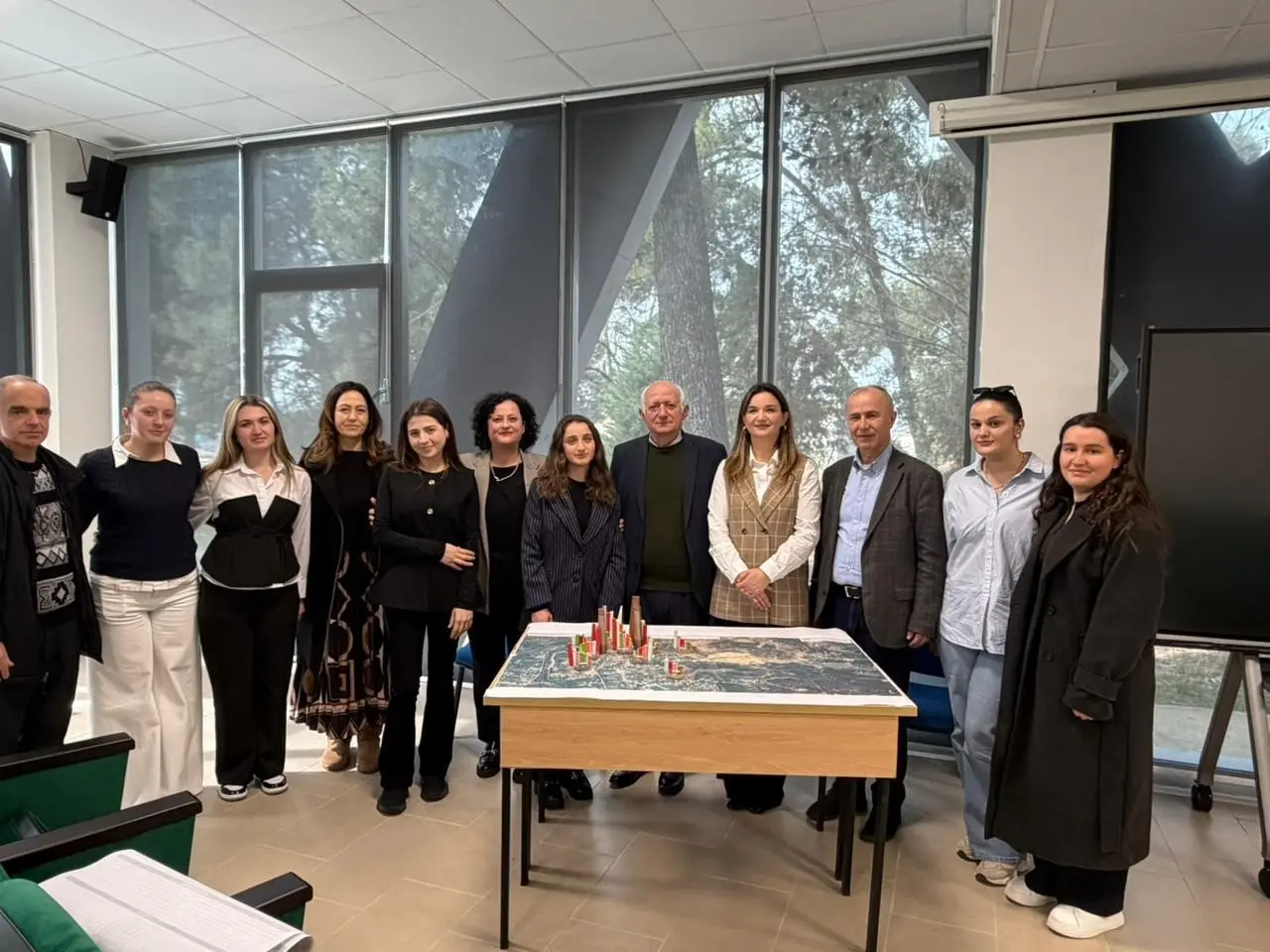
A scientific workshop dedicated to the analysis of environmental risks arising from industrial activities was organized by the Agricultural University of Tirana, focusing on the case of the former superphosphate plant in Laç, more than 25 years after it ceased operations.
In collaboration with the University of Lorraine (Université de Lorraine), Nancy – France, and the READ program, this activity brought together lecturers, researchers, and students from the fields of environmental and natural sciences.
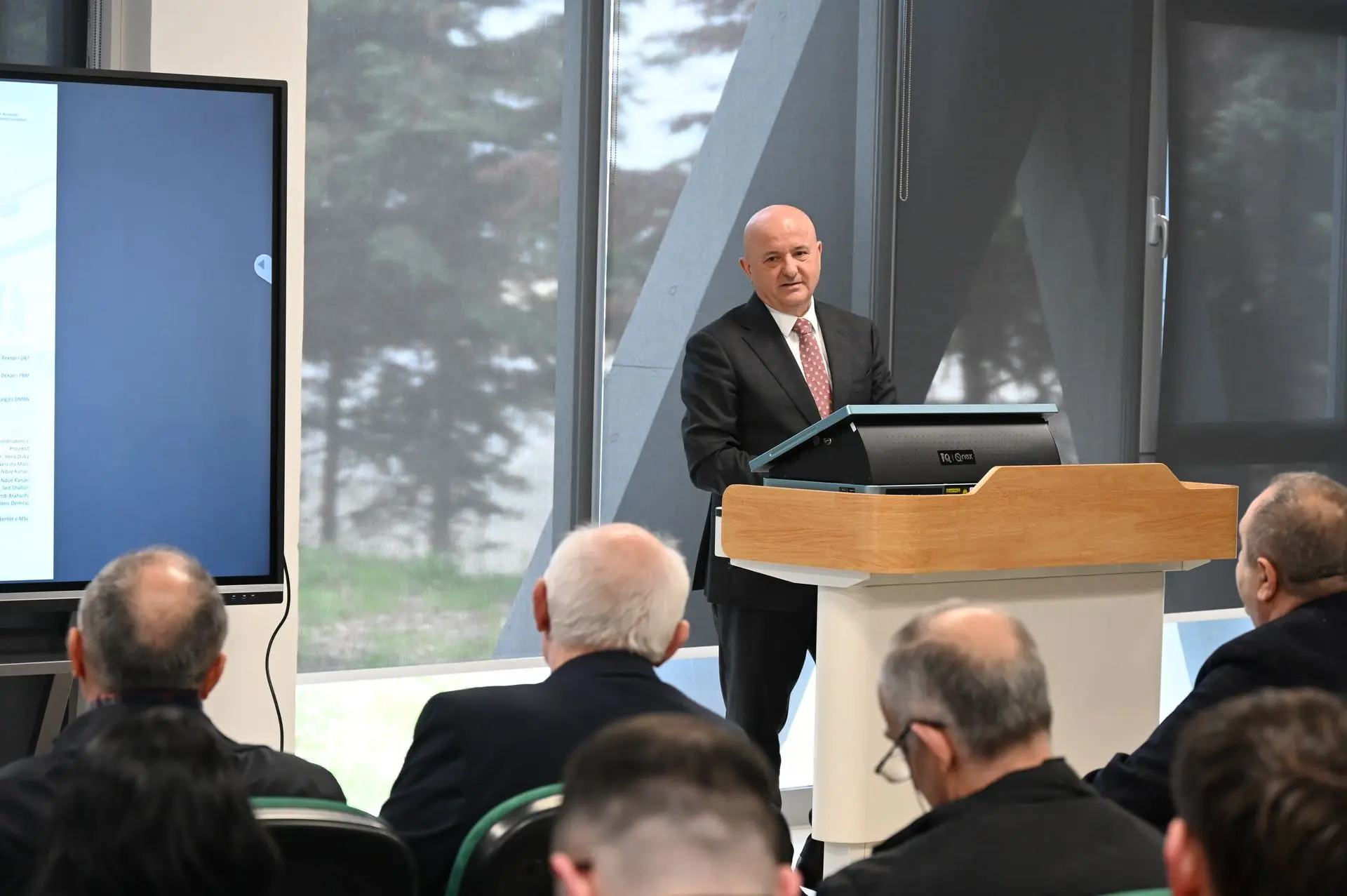
The workshop was opened with a welcoming address by the Rector of AUT, Prof. Dr. Fatbardh Sallaku, who emphasized the importance of scientific research and international collaborations in addressing environmental challenges in Albania.
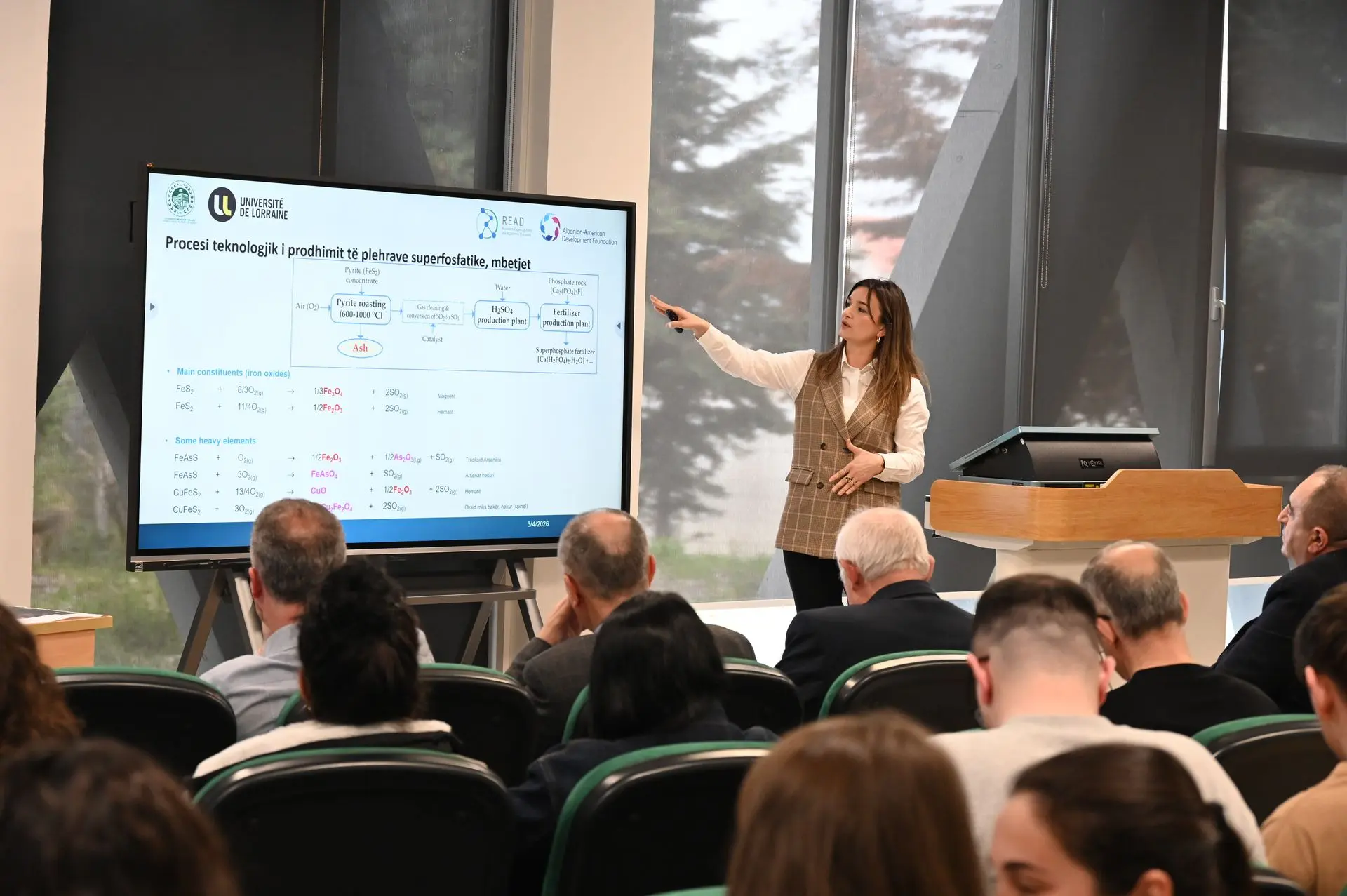
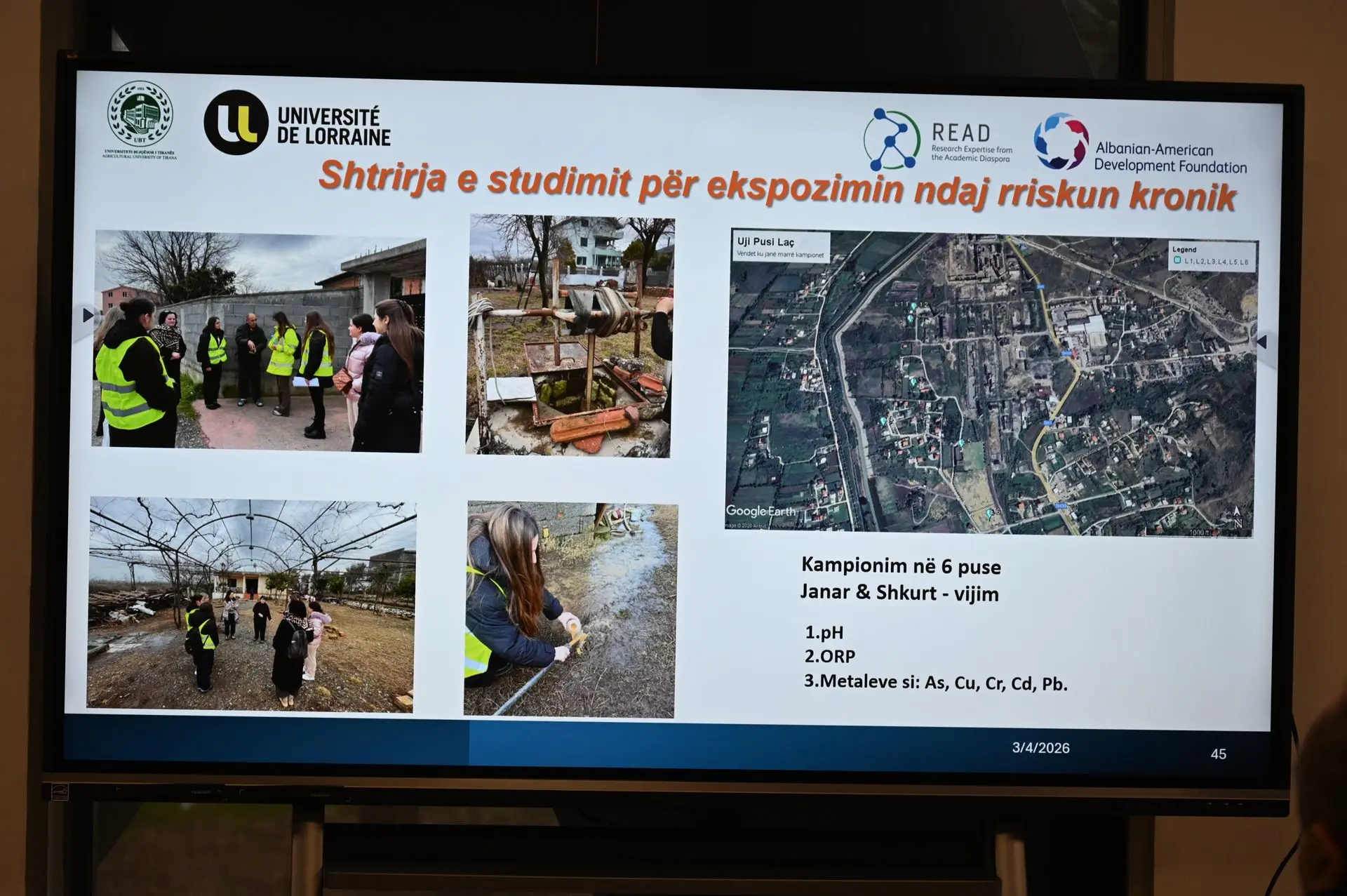
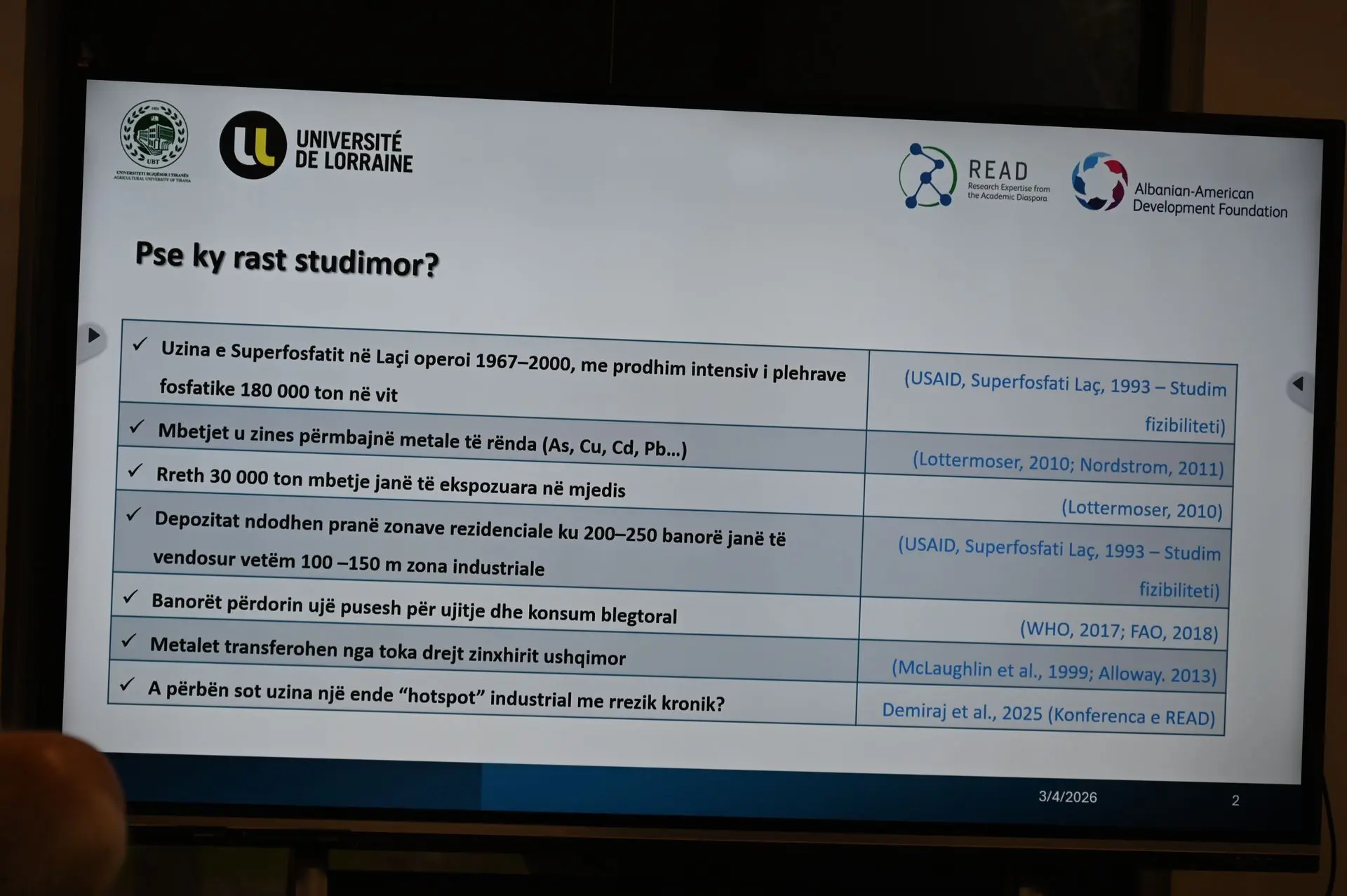
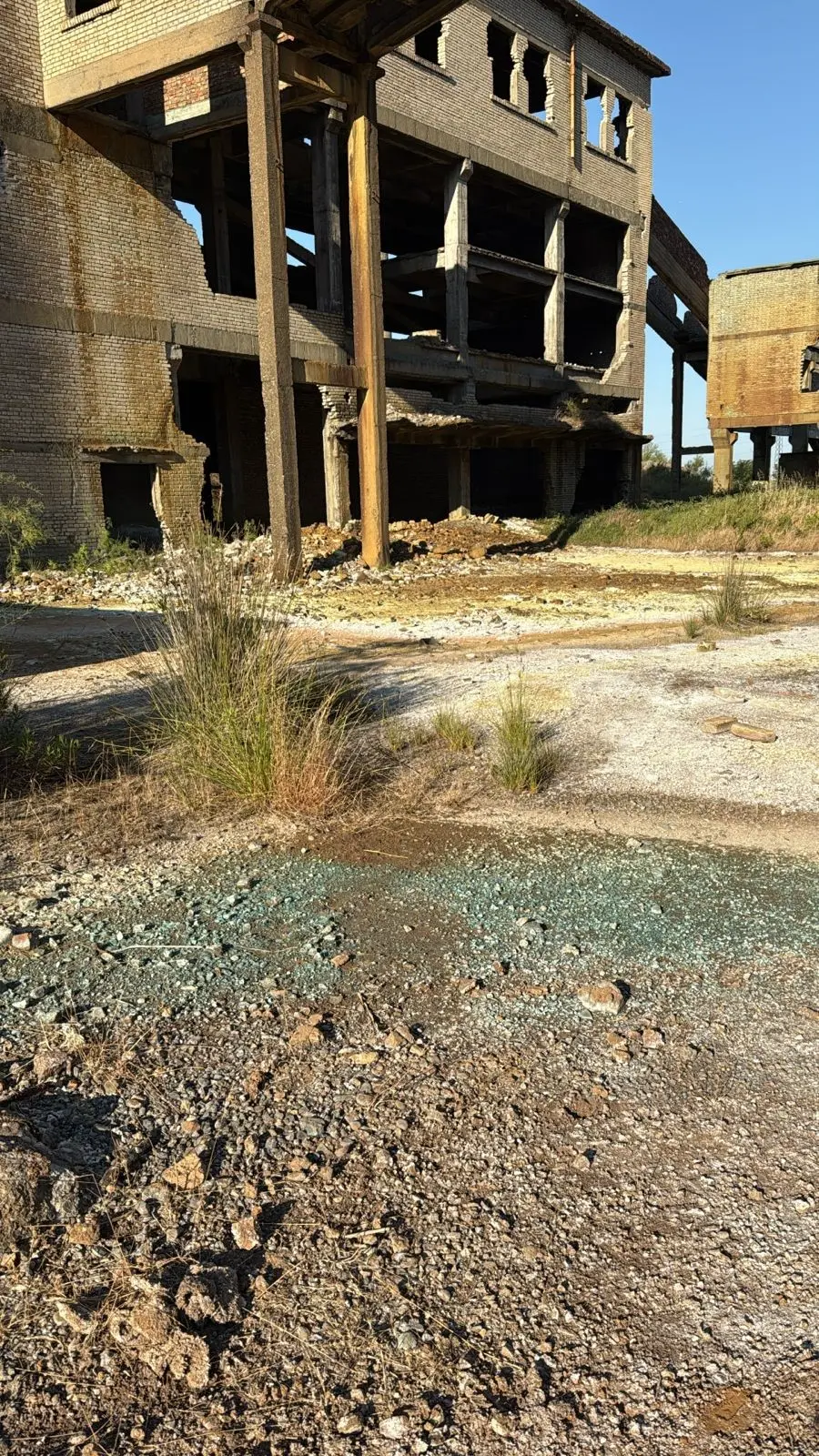
The project was presented in detail by Dr. Erdona Demiraj, the project coordinator, who worked together with researchers Dr. Irena Duka and Dr. Nereida Malo. The study addressed the profiling of heavy metal pollution and its impact on ecosystems and human health. The environmental impact of the former superphosphate plant in Laç continues to be present even nearly a quarter of a century after its closure, causing direct effects on the surrounding areas.
Environmental experts discussed, among other things, the possible measures for mitigating and managing this risk.
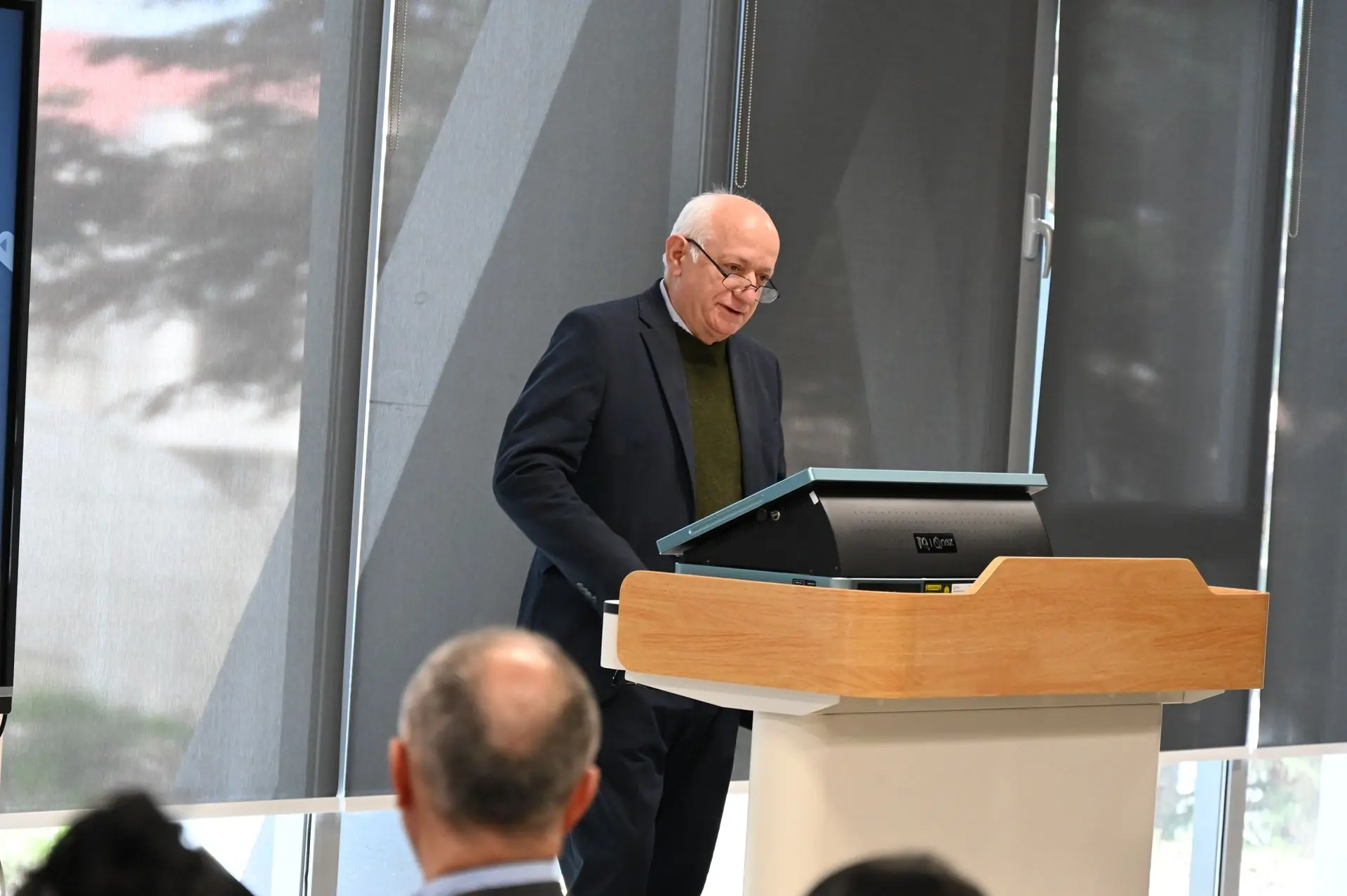
Present at the event was Prof. Dr. Honoris Causa of UBT, Ndue Kanari, Diaspora Fellow at the Université de Lorraine, who shared his experience in international academic collaboration and emphasized the importance of integrating scientific research in addressing environmental issues.
Representatives of the READ program from the Albanian-American Development Foundation (AADF), the project’s donors, welcomed the event, emphasizing their support for the development of research capacities and the strengthening of international academic collaboration.
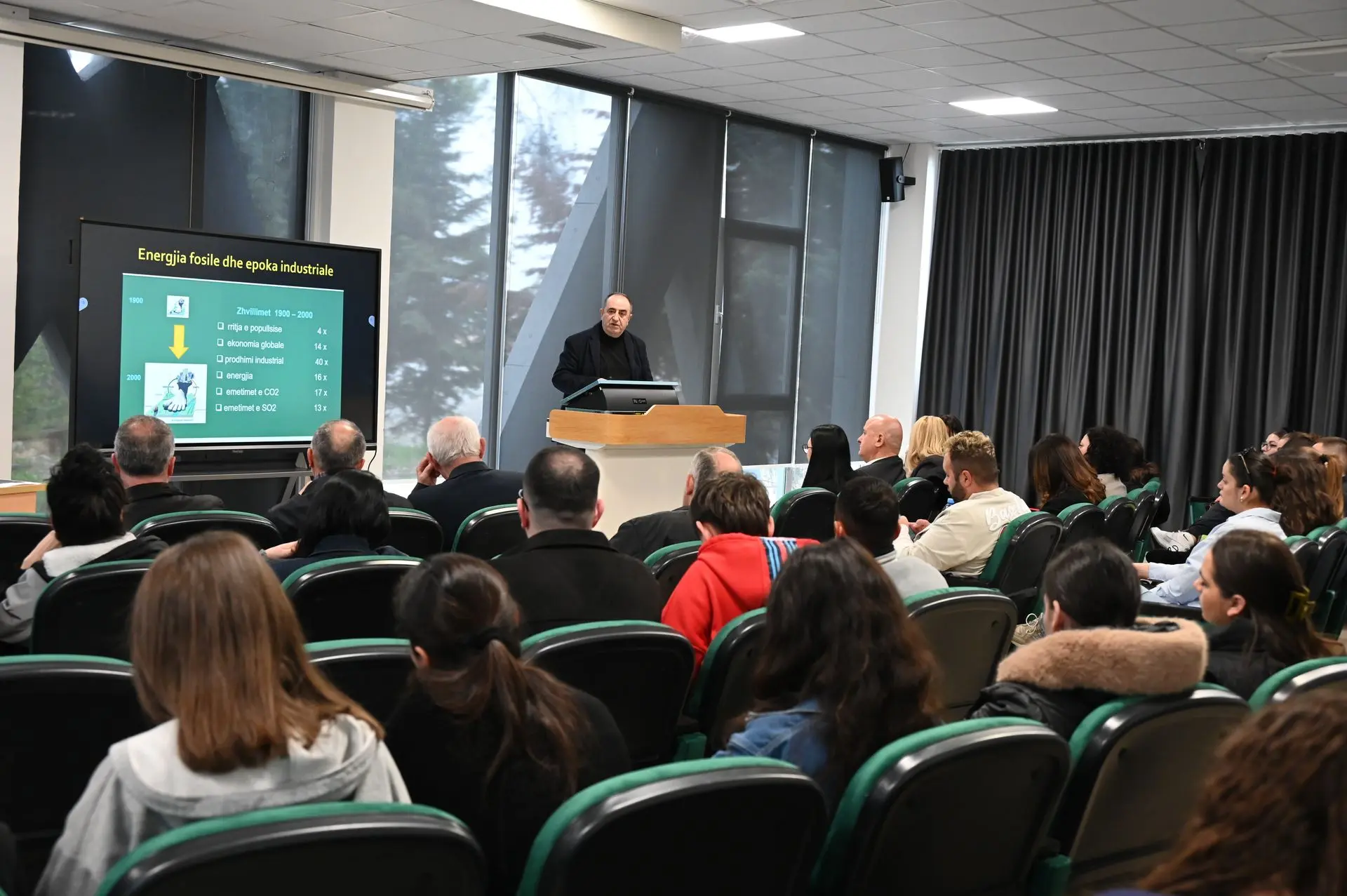
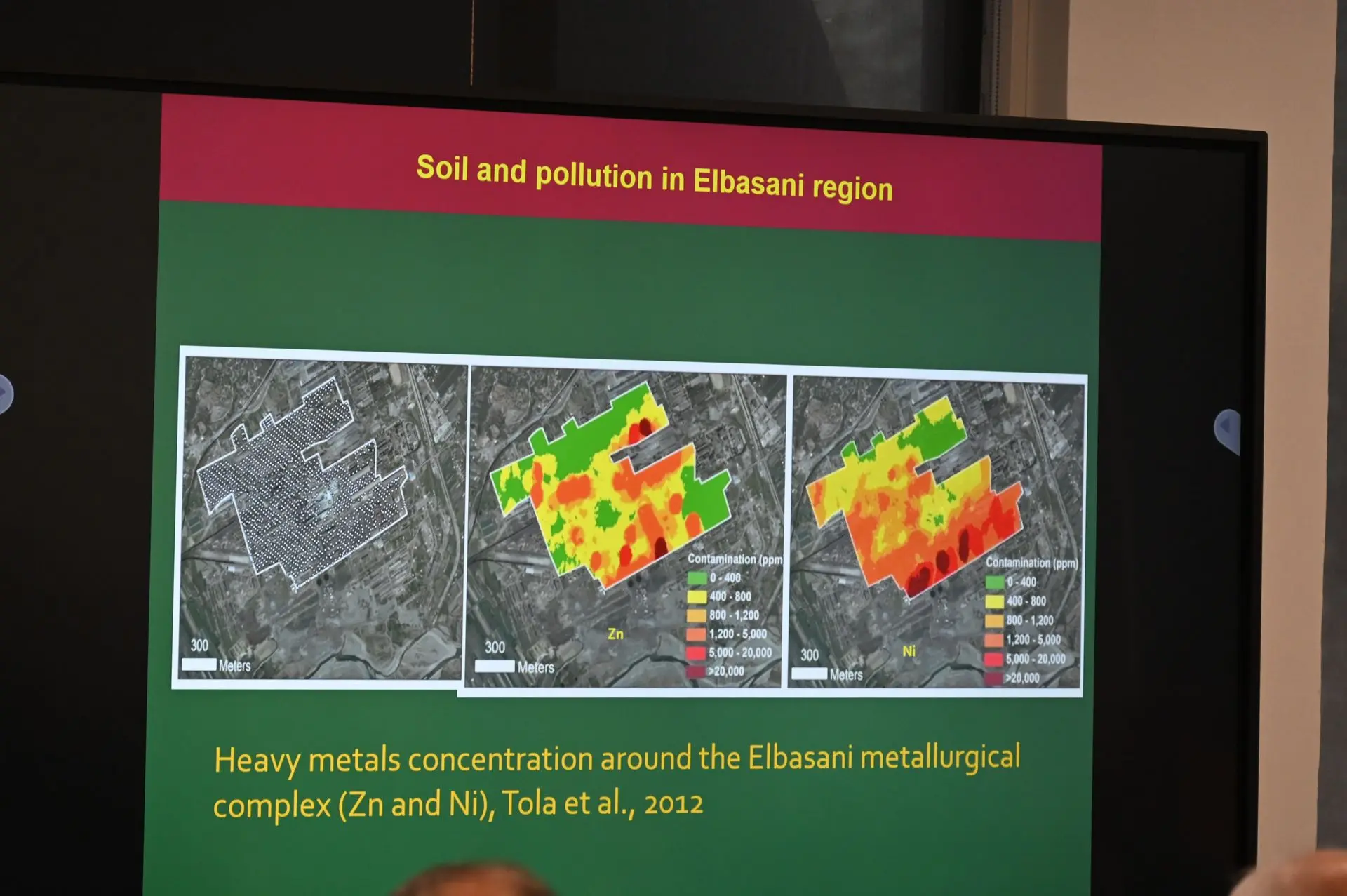
During the workshop sessions, AUT lecturers and experts addressed various issues related to environmental pollution. Prof. Dr. Seit Shallari, Dean of the Faculty of Agriculture and Environment, presented an analysis of the current situation regarding heavy metal pollution, while Prof. Dr. Ferdi Brahushi discussed issues related to pollution from pesticides and organic substances.
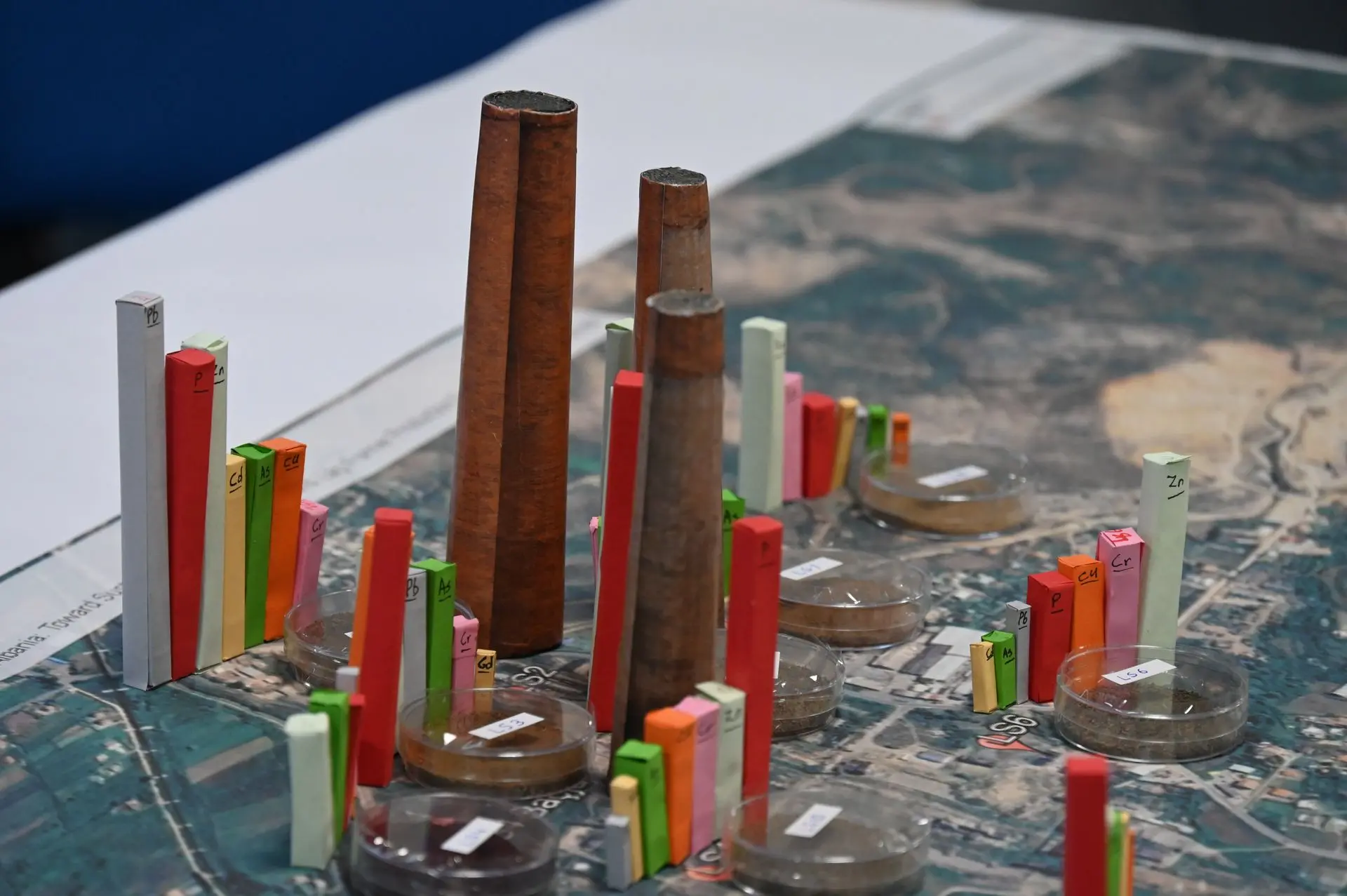
In the closing part of the event, MSc students from AUT presented their work in a poster session, demonstrating their active engagement in scientific research and contributing concrete ideas and analyses on environmental issues.
More about the study:
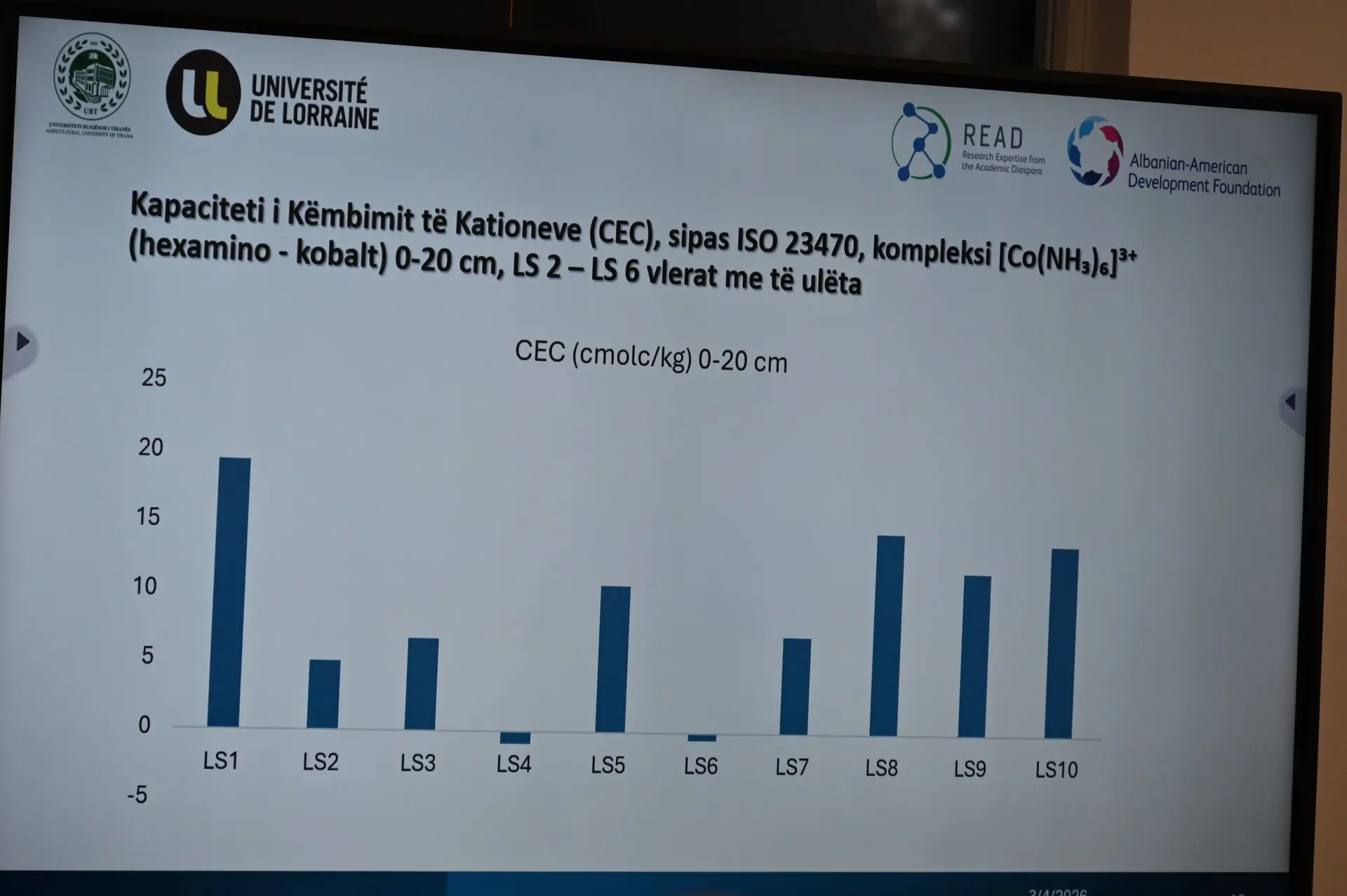
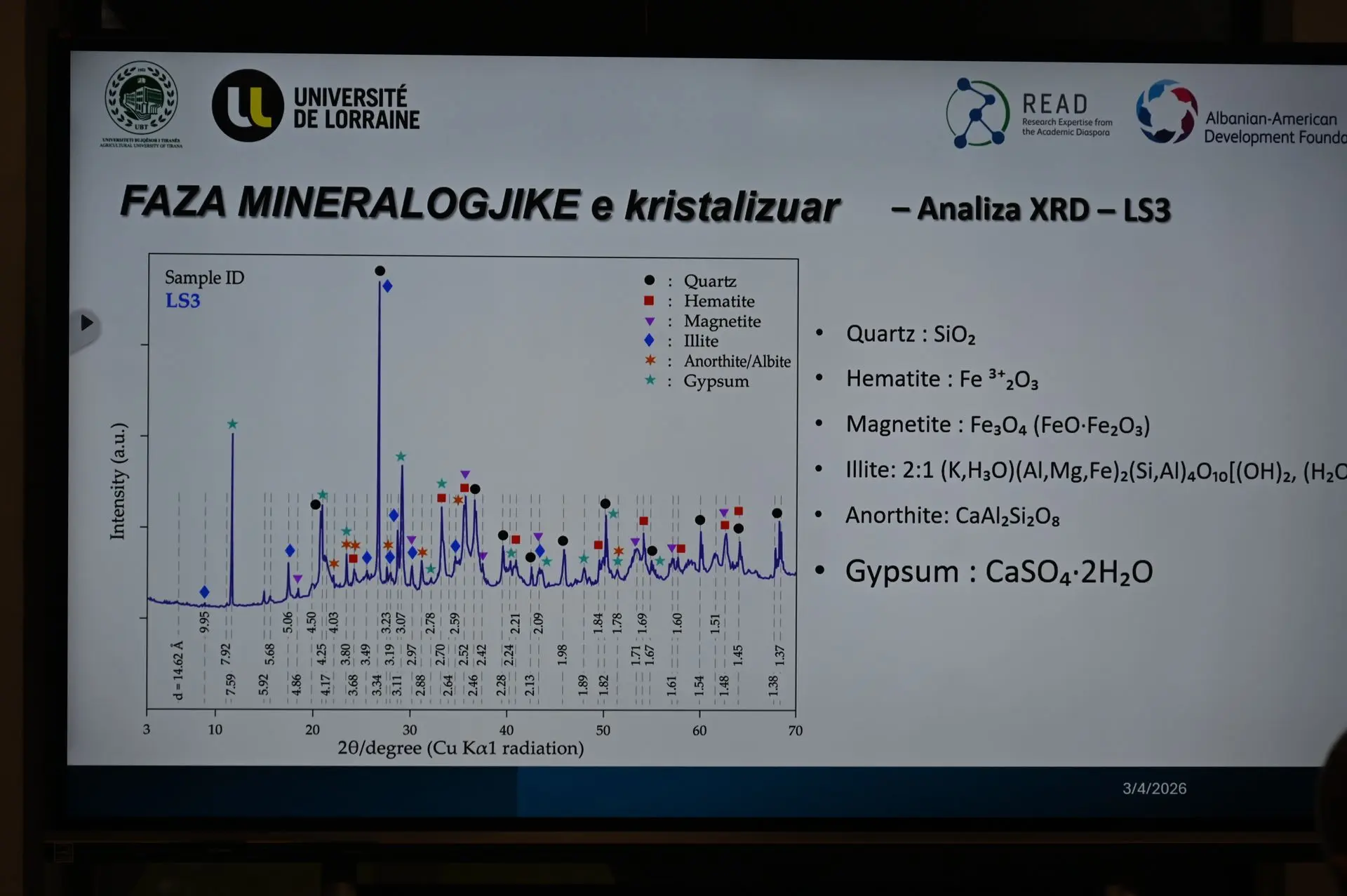
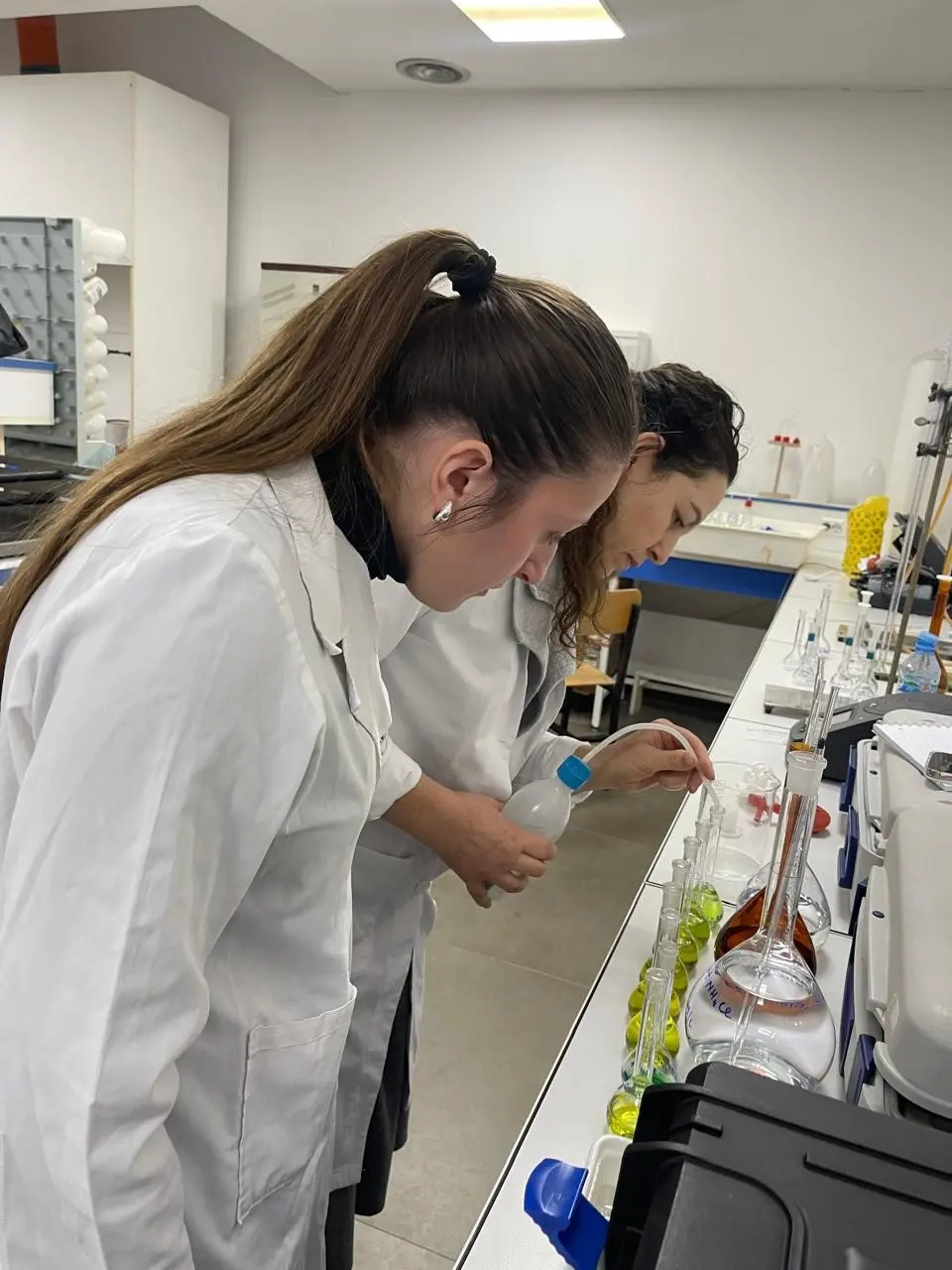
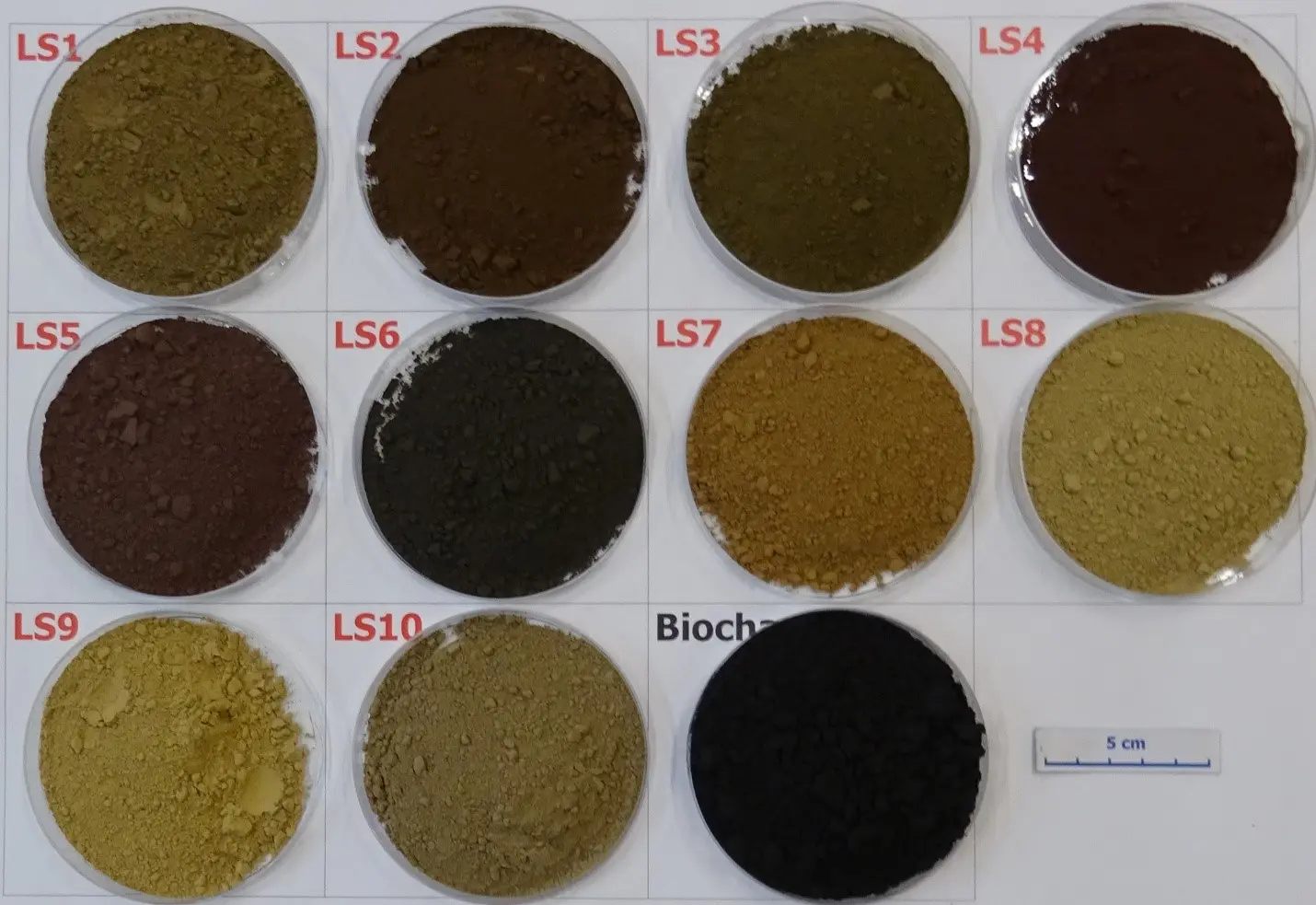
The aim of the study was to assess the content and mobility of heavy metals in the soil, as well as to understand how these elements have transformed in the environment more than 25 years after the closure of industrial activities in the early 2000s, and how they still affect 250 residents within the perimeter of this plant. Soil samples were analyzed using advanced laboratory techniques, including mineralogical analysis with a scanning electron microscope (SEM), elemental analysis with ICP and AAS Analytic Jena, and the study of geochemical–thermodynamic conditions through Eh and pH parameters.
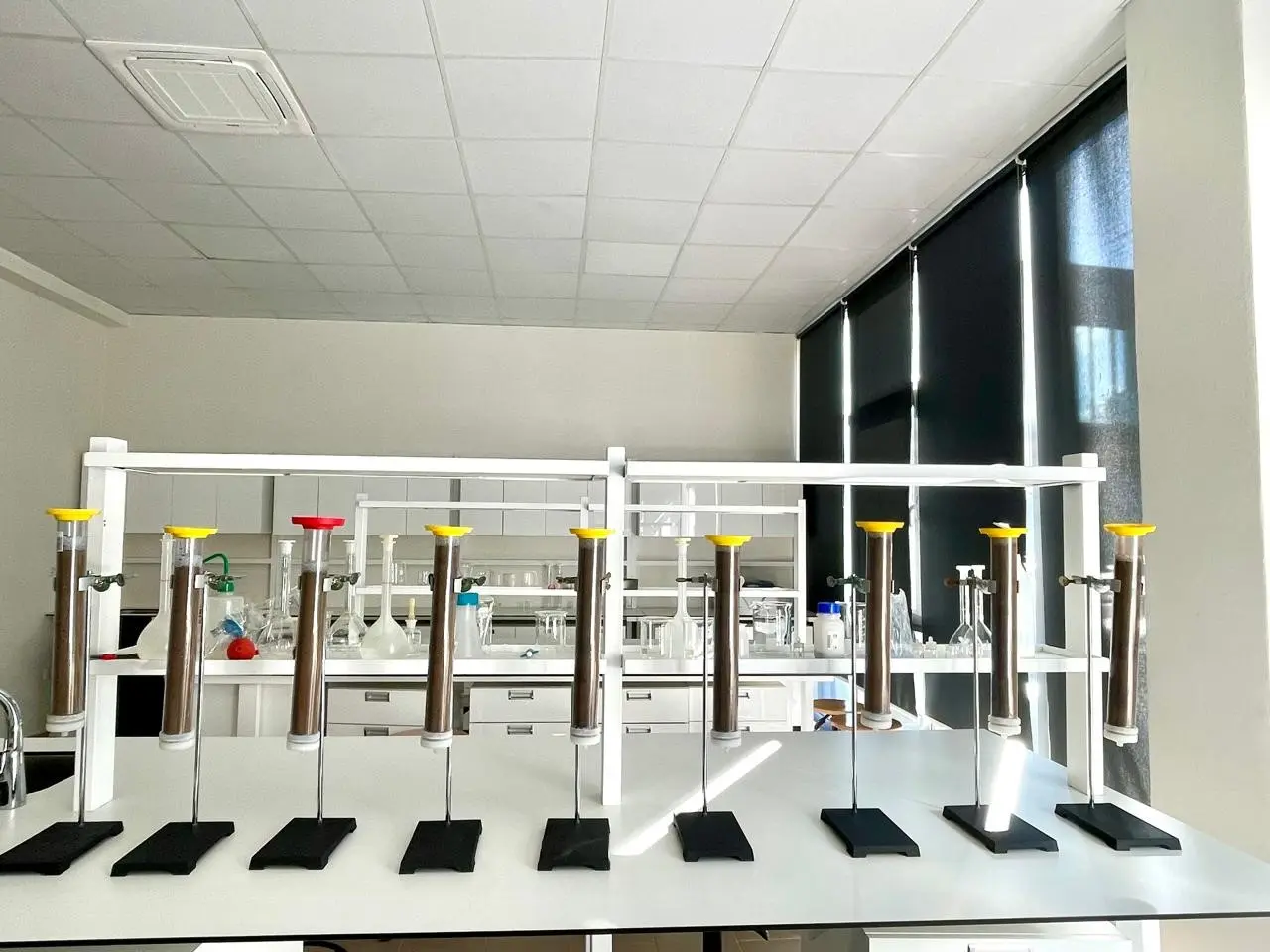
The results show that in some areas near the former plant, significant concentrations of metals have been identified, such as arsenic (0.3%), about 300 times higher than in natural soils, copper (2.5%), roughly 500 times higher than natural levels of 0.006%, as well as cadmium and lead, which follow a similar trend. However, chemical fractionation analyses indicate that a large portion of these elements is bound to the mineral phases of the soil, particularly iron oxides, which limits their mobility under normal environmental conditions. To approximate real field conditions, the study will continue with a continuous-flow experiment to observe how highly contaminated samples behave when treated with biochar and activated biochar, aiming to immobilize the metals and prevent their transfer into groundwater and the food chain. Additionally, the study will include long-term monitoring of well water to track the real-time and seasonal variability of metal concentrations.
The study emphasizes the importance of continuous monitoring of areas with historical industrial pollution and the need to develop soil rehabilitation strategies, which may include metal stabilization through amendment materials or environmental management techniques. These findings enhance understanding of the geochemical processes controlling metal mobility in contaminated soils and provide a scientific basis for sustainable management of these areas. Additionally, through this study, students gain comprehensive knowledge on how to design management plans for pollution hotspots inherited in Albania before the 1990s, while also acquiring in-depth scientific insights to update curricula with concrete local case studies.