For decades, the Ishëm River has been considered one of the most polluted rivers in Albania. Discharges of wastewater, industrial waste, and uncontrolled agricultural activities have exerted continuous pressure on aquatic ecosystems, directly affecting water quality and the public health of surrounding communities. Today, this situation is beginning to change thanks to the AMoRE-AL project, which is setting a new standard for the monitoring and management of surface waters in the country.
The AMoRE-AL project introduces, for the first time in Albania, an integrated and scientifically advanced approach to assessing pollution in river basins. Its innovation lies in combining long-term monitoring through Large Volume Sampler (LVS) technology with the scientific MoRE model (Model on Emission in Rivers), bringing together laboratory analyses, mathematical modeling, and modern field measurement technologies. This integration ensures accurate data on pollutant flows and provides a solid foundation for effective environmental policies.
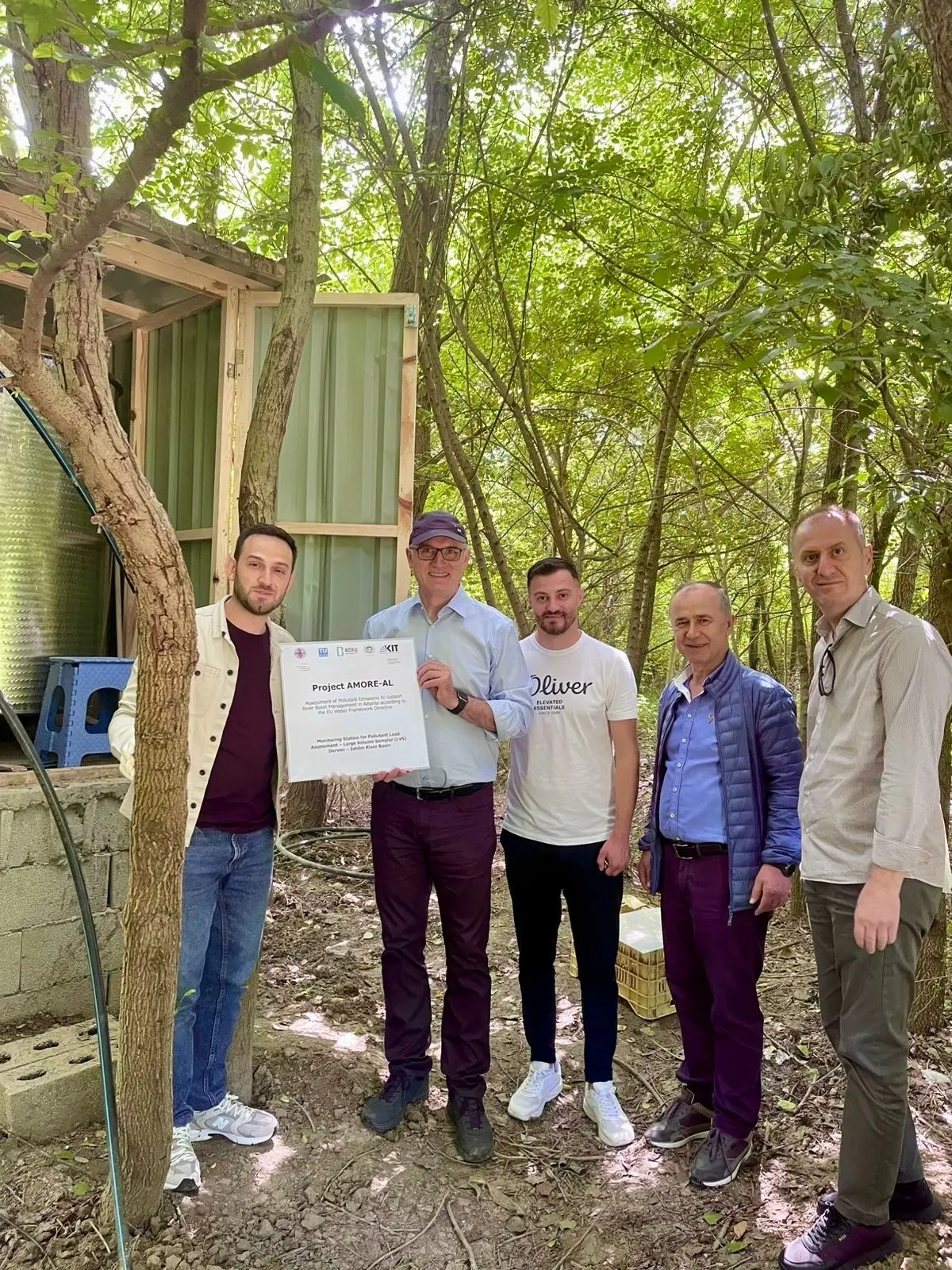
AMoRE-AL is funded by APPEAR and ADA and is implemented through a partnership between the Agricultural University of Tirana and several leading European universities. Surface water monitoring in the Ishëm River basin has begun within the framework of the AMoRE-AL project, under the coordination of Prof. Dr. Seit Shallari from the Agricultural University of Tirana, who leads the project’s implementation in Albania. International partners include Prof. Thomas Ertl from BOKU in Vienna, Prof. Matthias Zessner from TU Wien, and Prof. Dr. Stephan Fuchs from the Karlsruhe Institute of Technology. The collaboration is carried out through these professors and their respective research teams, combining the experience of European universities with local expertise to improve water monitoring and management in Albania.
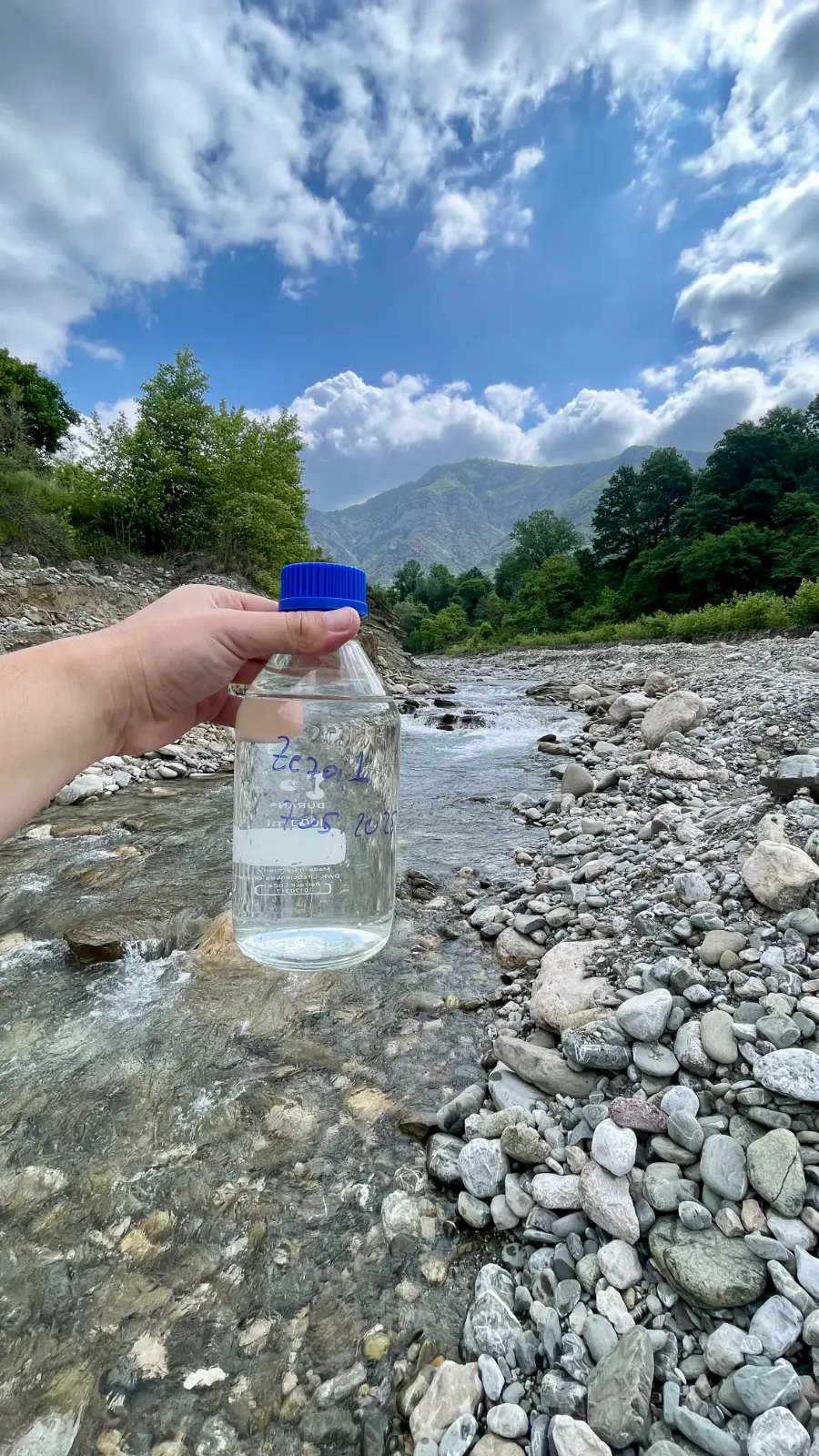
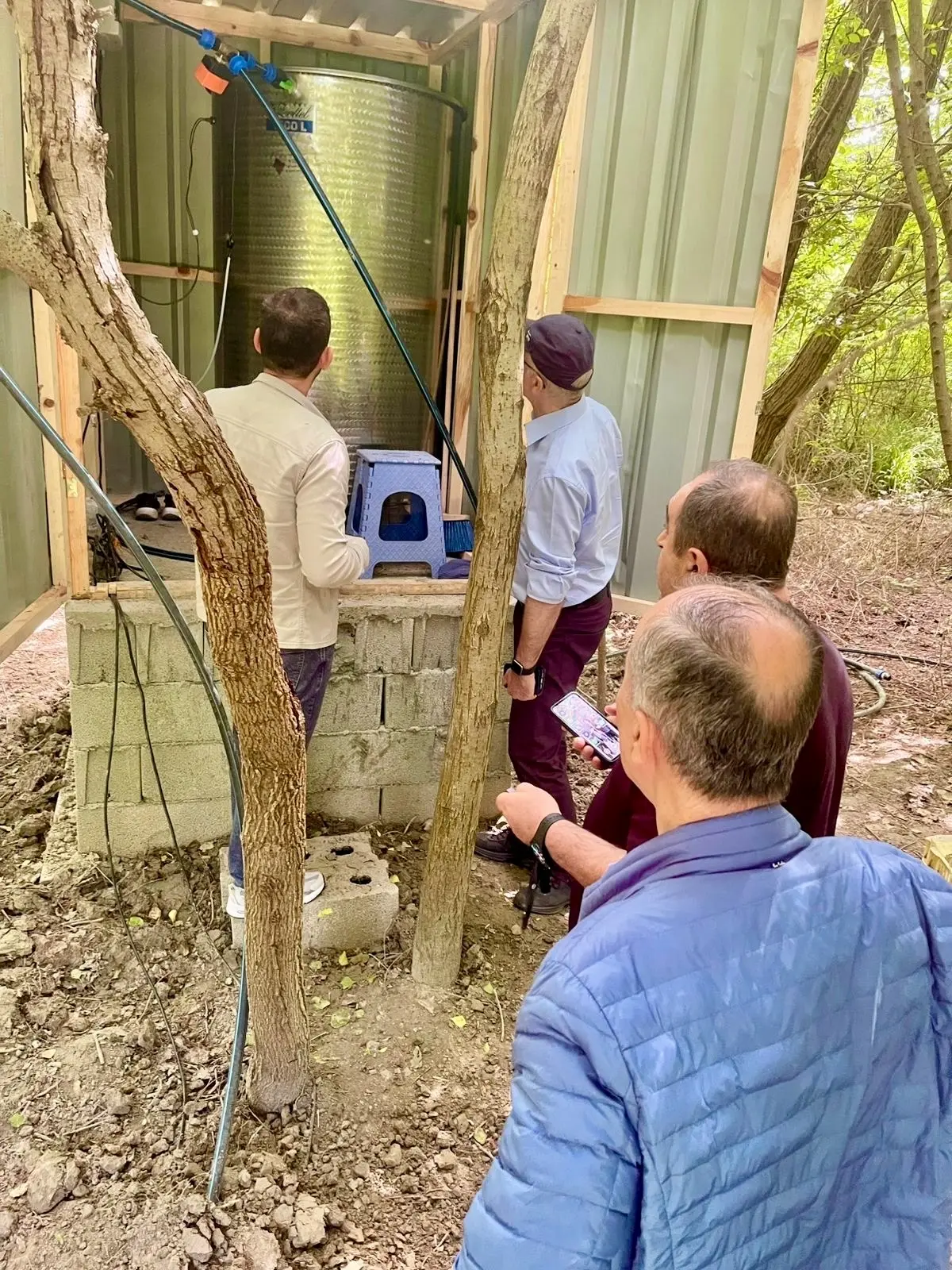
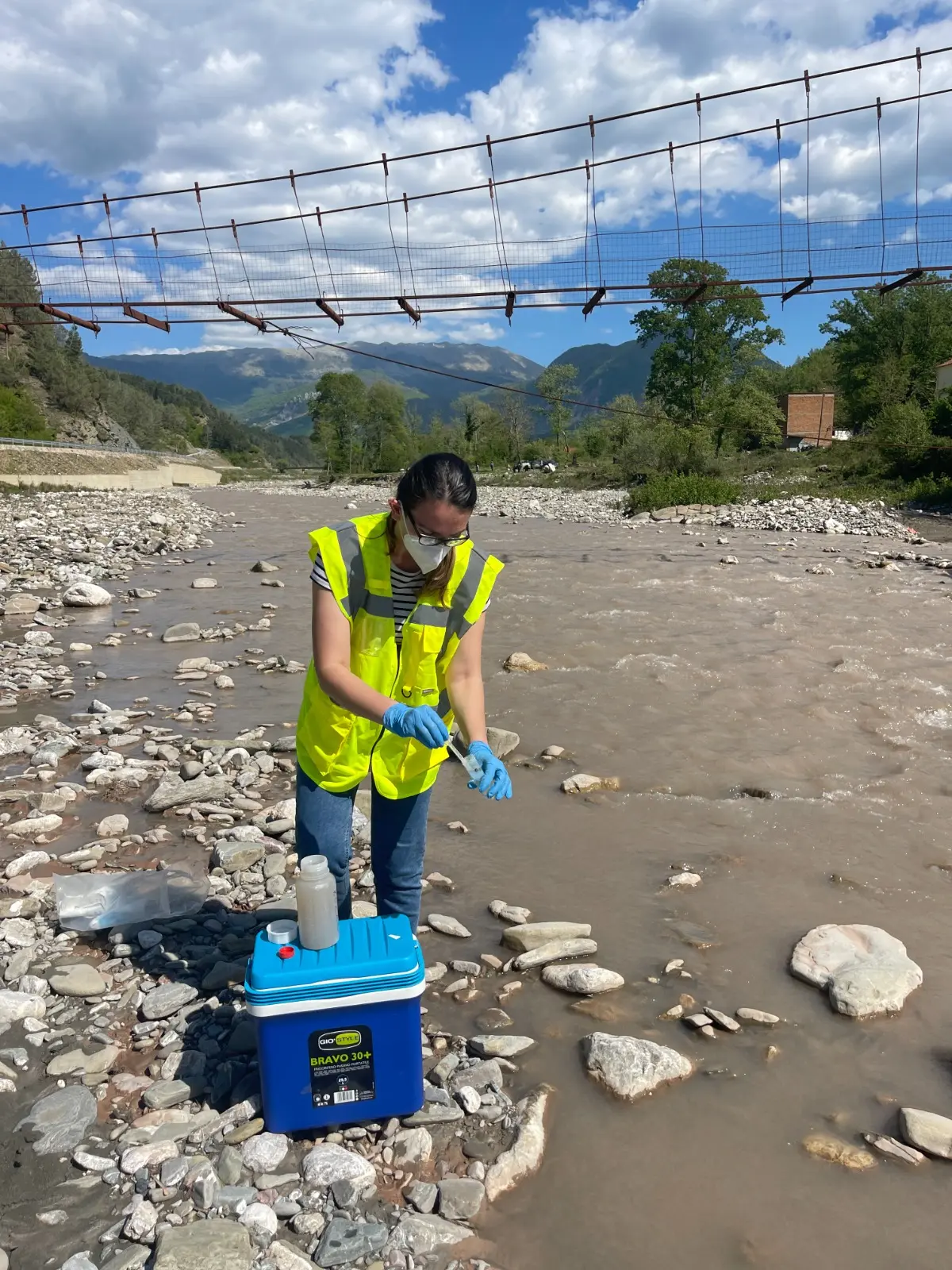
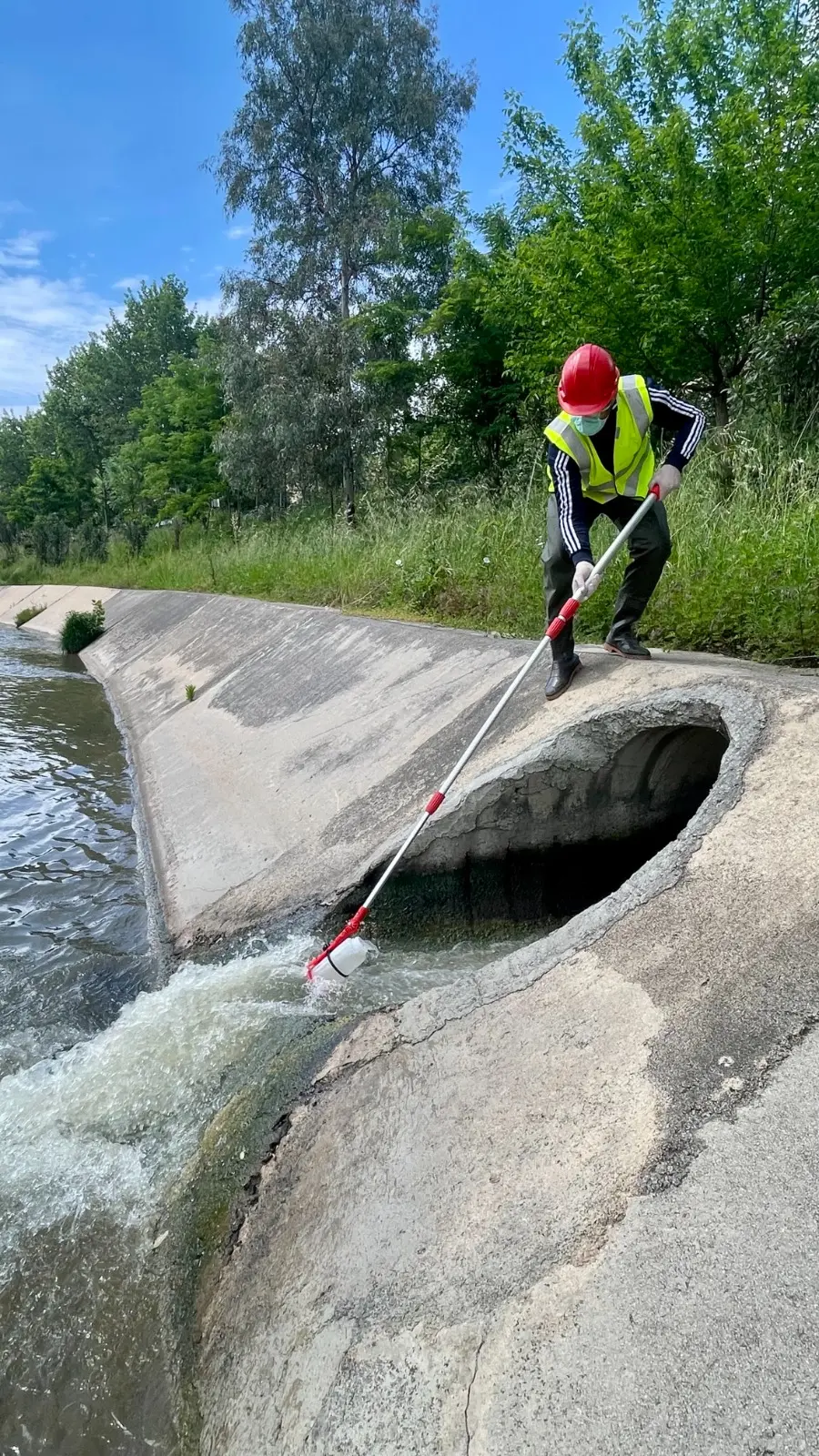
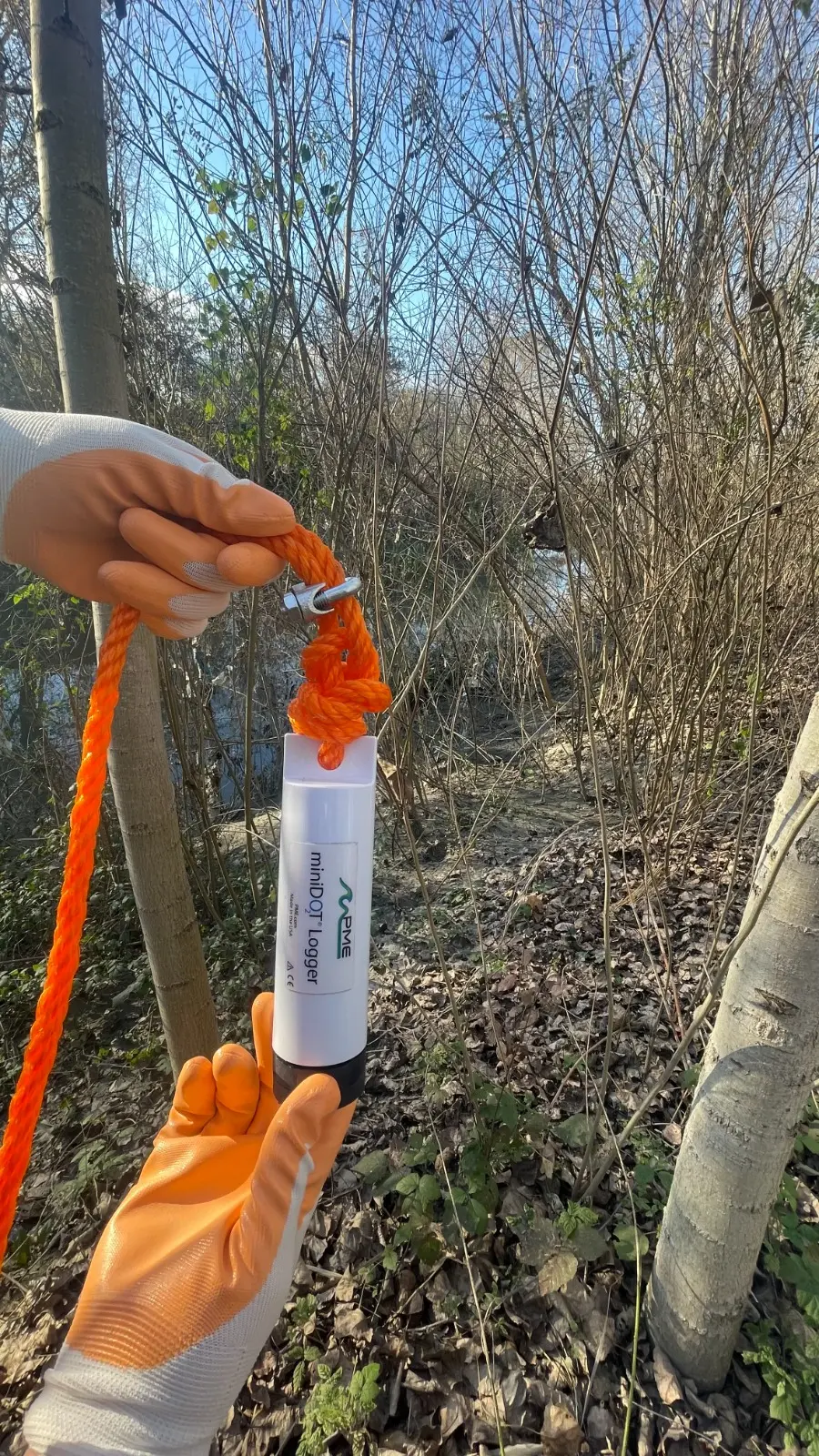
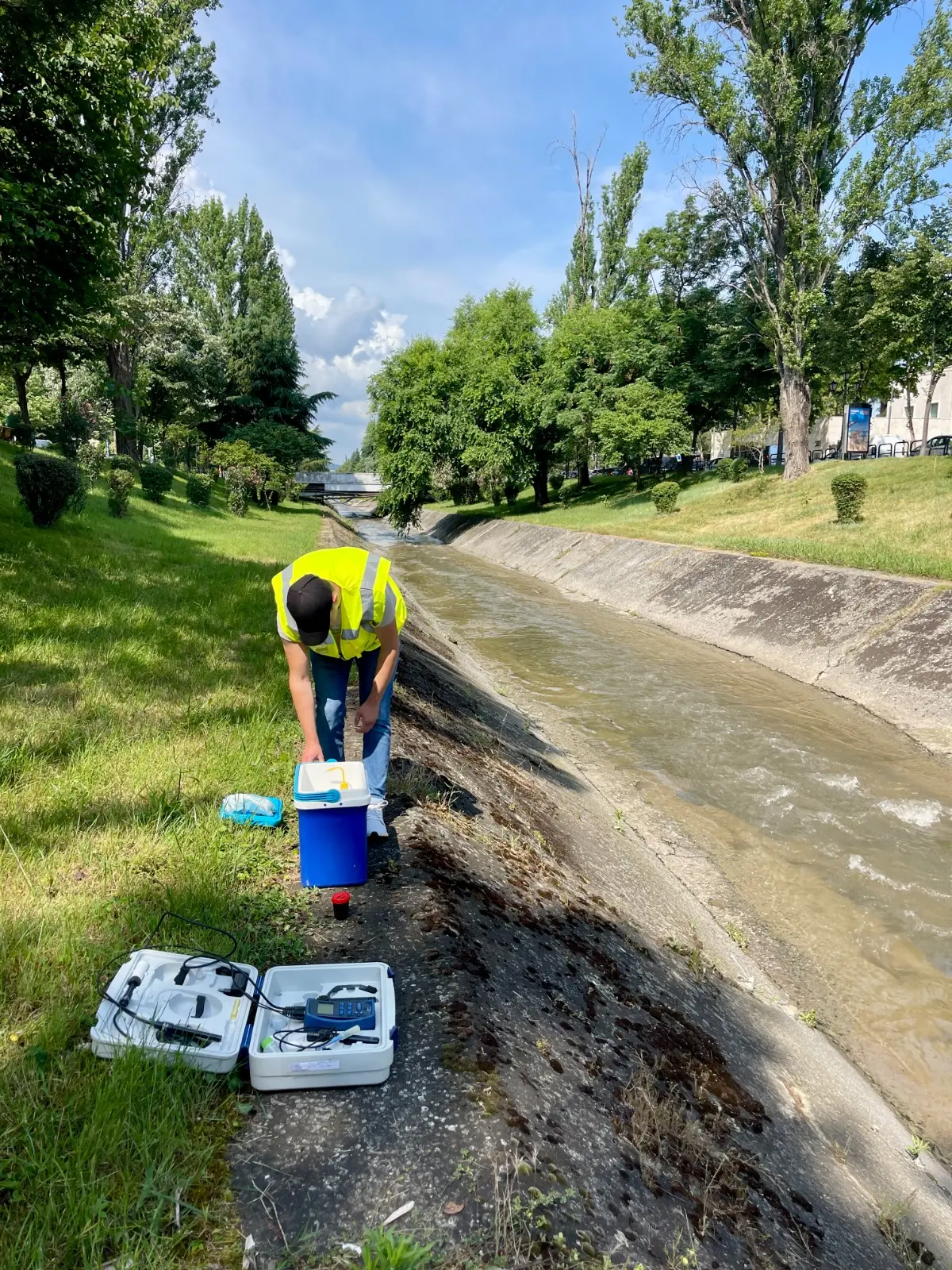
Within the framework of the project, the surface water monitoring phase has begun in the Ishëm River basin, with nine monitoring stations established along the river and its main tributaries. Samples are collected on a monthly and quarterly basis and analyzed for physicochemical indicators, nutrients, organic pollutants, heavy metals, and pharmaceutical micropollutants. Field measurements are carried out using specialized equipment to measure dissolved oxygen and temperature, while the downstream station in Derven has been equipped with a Large Volume Sampler (LVS) system for long-term monitoring and validation of the MoRE model. This methodology enables not only an accurate assessment of the current water status, but also the prediction of future developments and the planning of concrete measures to reduce pollution.
Three young researchers from the Agricultural University of Tirana (UBT), Fatos Huqi, Vjola Bakillari, and Xhuljo Sema, are pursuing their PhD studies within the framework of this project, further strengthening its academic dimension and the long-term perspective of scientific research in the field of integrated water resources management.
The objective of AMoRE-AL is to provide a comprehensive assessment of pollution in the surface waters of the Ishëm River, identify its sources and distribution, and develop a national emissions inventory in line with the requirements of the EU Water Framework Directive. The project directly contributes to the preparation of the River Basin Management Plan, a key document under Chapter 27 on Environment in Albania’s European Union integration process.
The initial results show that the Ishëm River basin is no longer just a symbol of pollution, but is becoming an example of how science, technology, and international collaboration can turn environmental challenges into opportunities for sustainable development.